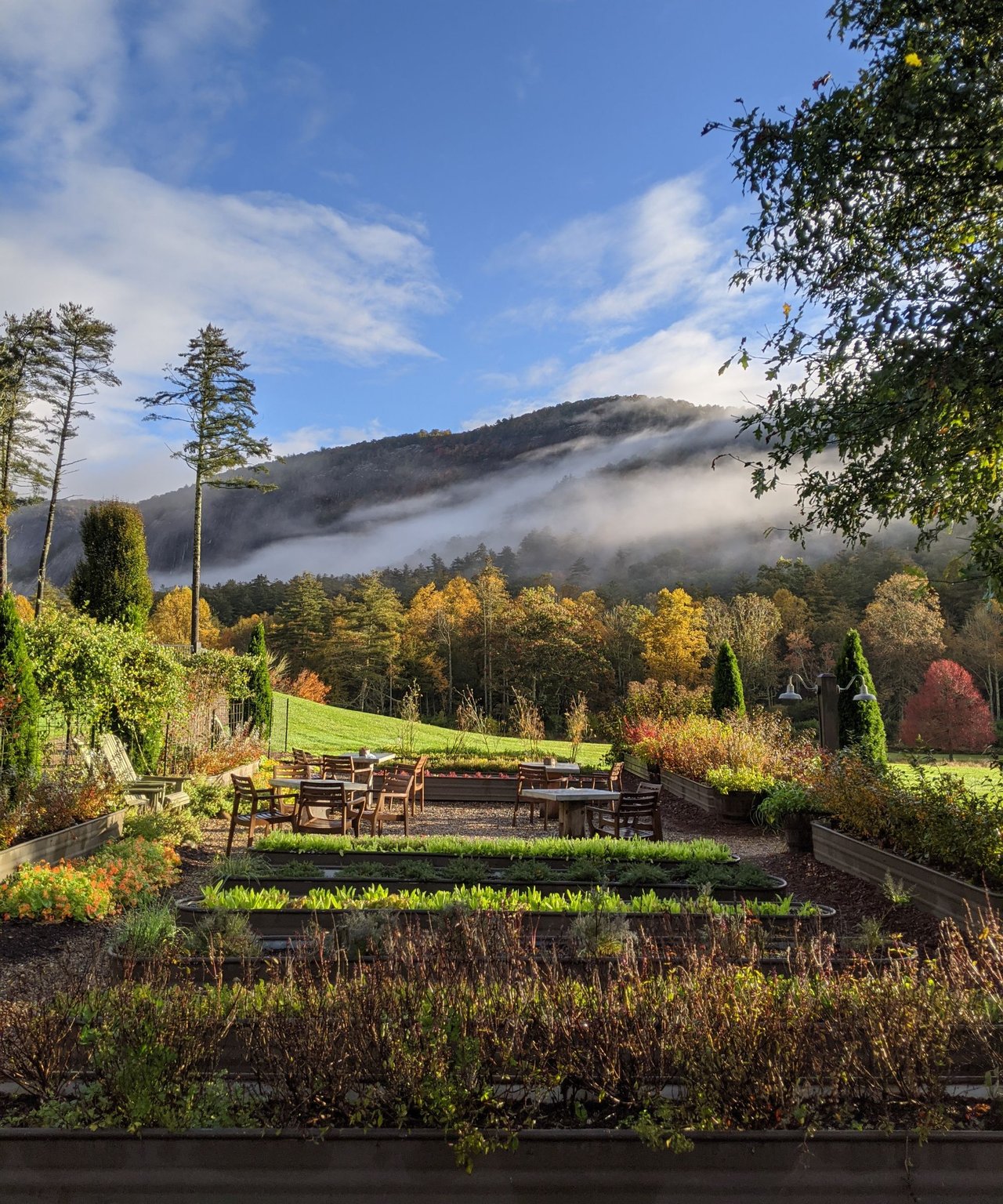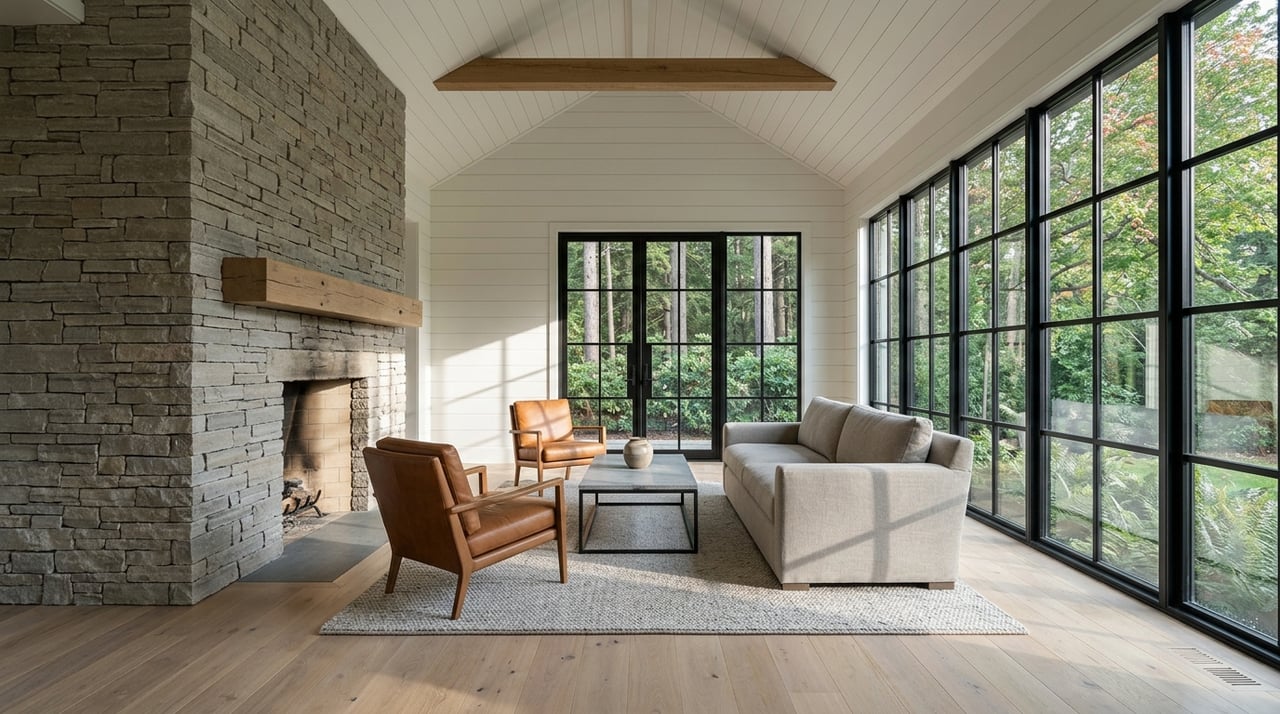
If you are dreaming about Lake Glenville, one of the first big decisions is not just where to buy, but what to buy. Should you choose an existing home you can start enjoying right away, or a buildable lot that lets you create something from the ground up? Both paths can work well, but they come with very different timelines, approvals, and levels of certainty. Let’s break down what matters most so you can make a confident choice.
Why Lake Glenville changes the equation
Lake Glenville is not just any mountain lake. It is a Duke Energy-owned, man-made reservoir on the Tuckasegee River in Jackson County, and it has been used for recreation and hydroelectric power generation since 1941.
That matters because your real estate decision is tied to more than the home or land itself. Reservoir levels can vary, and shoreline use may involve separate rules, reviews, or permits for certain activities along the water.
If you are looking at waterfront property, it helps to think in two layers. First, there is the property itself. Second, there are lake-specific conditions that may affect access, shoreline improvements, and how you use the waterfront over time.
Existing home vs buildable lot
A simple way to think about this choice is that a home buys certainty, while a lot buys flexibility. One option gets you into the market faster. The other gives you more control over the final result.
Why an existing home may make sense
An existing home is usually the more straightforward path. You are buying a completed residence with established access, a known layout, and a more predictable path to closing.
This can be especially appealing if you want to start using the property soon after purchase. For many second-home buyers at Lake Glenville, that speed and simplicity are a major advantage.
Completed homes are also more likely to fit the standards typically associated with year-round use, road access, and utility service from the start. That can make the financing and due diligence process feel more familiar than it does with raw land.
The tradeoff with an existing home
Buying a home does not always mean buying something fully updated. You may also inherit older systems, deferred maintenance, or features you want to change after closing.
In Jackson County, permits are generally required for many construction, structural, plumbing, HVAC, and electrical changes. Some deck work, garage work, and room additions may also require permits, so even a home that looks move-in ready can turn into a project.
Why a buildable lot may make sense
A buildable lot gives you room to shape the property around your goals. You can choose the home plan, the siting, the view orientation, the size, and the level of finish.
For buyers who want privacy, customization, or a fresh start, that can be very appealing. It is also a natural fit if you have a long-term vision and do not mind a more involved process.
The tradeoff with a buildable lot
The word “buildable” can sound simple, but on mountain and lake property, it usually means buildable after verification. A lot may be attractive on a map or during a showing, but you still need to confirm what can actually be built and what approvals may be required.
In Jackson County, new development often goes through plan review. Depending on the project, site development plans may be required for new construction, reconstruction, or expansion, and those plans can include grading, storm drainage, erosion control, utility, and landscape components.
What makes a lot buildable in Glenville
When you are evaluating vacant land around Lake Glenville, due diligence becomes a planning and permitting exercise as much as a real estate search. Jackson County brings together Permitting and Code Enforcement, Environmental Health, and Planning, and proposed development must meet the county’s Unified Development Ordinance or applicable municipal rules.
That means a lot is not truly ready for your plans until several property-specific checks have been reviewed. Here are some of the most important ones.
Slope analysis
Mountain land is rarely flat, and slope can directly affect what you can build. Jackson County can calculate a property’s average slope to determine density requirements under Mountain and Hillside Development regulations.
In those areas, residential density can depend on average slope. Minimum lot size begins at 2 acres at 35% average slope and increases up to 10 acres at 50% or greater average slope.
Protected watershed review
A protected watershed review helps identify whether a parcel falls within a protected watershed area. It also helps calculate residential density and non-residential impervious surface limits.
For a buyer, this is an important check because it can affect how much of the property can be developed and how your future plans need to be designed.
Plat and subdivision review
If a parcel is part of a new plat or subdivision process, that history matters. Jackson County reviews recorded plats and subdivisions and distinguishes between exempt lots, minor subdivisions, and major subdivisions.
That review path can affect timing and what paperwork or approvals are already in place. If you are buying land with the intent to build, it is worth understanding exactly where the parcel sits in that process.
Septic and well approval
A beautiful lot still needs practical infrastructure. Jackson County Environmental Health handles onsite wastewater protection, including septic applications, as well as well applications and record searches for existing permits.
For many buyers, this is one of the most important checkpoints on vacant land. Until septic and water questions are addressed, it is hard to judge a lot’s real usability.
Shoreline rules and approvals
On Lake Glenville, waterfront land may involve another layer of review beyond county approvals. Duke Energy’s lake resources include shoreline management and permits for shoreline activities.
That means you should not assume features like a dock, shoreline stabilization, or other lake-adjacent improvements are automatically allowed. Those questions should be verified early if waterfront use is a major part of your decision.
Flood map status
Flood risk is a separate item to confirm, whether you are buying a home or a lot. FEMA states that flood insurance is required by regulated lenders for buildings located in a Special Flood Hazard Area.
If you are considering lakefront property, checking FEMA flood map status early can help you understand possible insurance requirements and avoid surprises later in the process.
Financing and timeline differences
For many buyers, the biggest practical difference between a home and a lot comes down to financing and timing. An existing home usually has the shorter path because the main steps are inspections, title work, financing, and closing.
A lot often adds an entire second phase after purchase. That can include due diligence, design, site planning, permit review, construction financing, and the build itself.
Fannie Mae states that it does not purchase or securitize mortgages on vacant land or land development properties. It also treats construction-to-permanent financing as a separate process that converts to a long-term mortgage only after construction is complete.
Fannie Mae further notes that if the construction phase lasts longer than 18 months, the transaction must convert to a two-closing structure. For buyers, that is a useful reminder that building is often a longer and more layered path than buying a finished home.
Which option fits your goals
The right choice usually depends on how you want to use the property and how much complexity you are comfortable managing.
An existing home may fit you best if:
- You want a shorter timeline
- You value predictability
- You want to begin enjoying the property sooner
- You prefer to avoid coordinating site work, permits, and construction
A buildable lot may fit you best if:
- You want to customize the home from the ground up
- You value privacy and long-term flexibility
- You are comfortable with a longer approval timeline
- You are prepared for more due diligence before building begins
A smart way to decide
If you are torn between the two, start by being honest about your priorities. If your goal is immediate enjoyment and a smoother purchase process, a completed home often makes more sense.
If your goal is to create something highly specific and you are comfortable with extra planning, a lot may be the better long-term fit. The key is making sure your decision matches both your vision and your tolerance for time, approvals, and uncertainty.
At Lake Glenville, that difference matters more than it does in many other markets. Mountain topography, county review, waterfront considerations, and variable reservoir conditions all make careful due diligence especially important.
Whether you are comparing lakefront homes, interior homesites, or waterfront land, the best next step is to review the property through both a lifestyle lens and a feasibility lens. If you want experienced local guidance on buying at Lake Glenville, connect with Collin Taylor - Main Site for a thoughtful, high-touch approach.
FAQs
Should I buy a home or a lot at Lake Glenville if I want to use the property soon?
- An existing home is usually the better fit if you want a faster, more predictable timeline and quicker access to the property after closing.
What does buildable lot mean in Glenville, NC?
- A buildable lot typically needs verification through items like slope analysis, watershed review, septic and well review, plat status, and any required county plan review before you can treat it as ready for construction.
Do waterfront lots at Lake Glenville need extra approval for shoreline features?
- They may. Duke Energy includes shoreline management and permits for shoreline activities, so buyers should verify whether planned waterfront improvements need separate approval.
How does slope affect building on land near Lake Glenville?
- In Jackson County, average slope can affect residential density requirements under Mountain and Hillside Development regulations, including minimum lot-size requirements that increase as slope increases.
Should I check flood maps before buying Lake Glenville property?
- Yes. Flood map status is important because buildings in a FEMA Special Flood Hazard Area may require flood insurance through regulated lenders.
Is financing different for a vacant lot at Lake Glenville?
- Yes. Vacant land and construction financing typically follow a different process than financing an existing home, and the long-term mortgage usually comes after construction is complete.