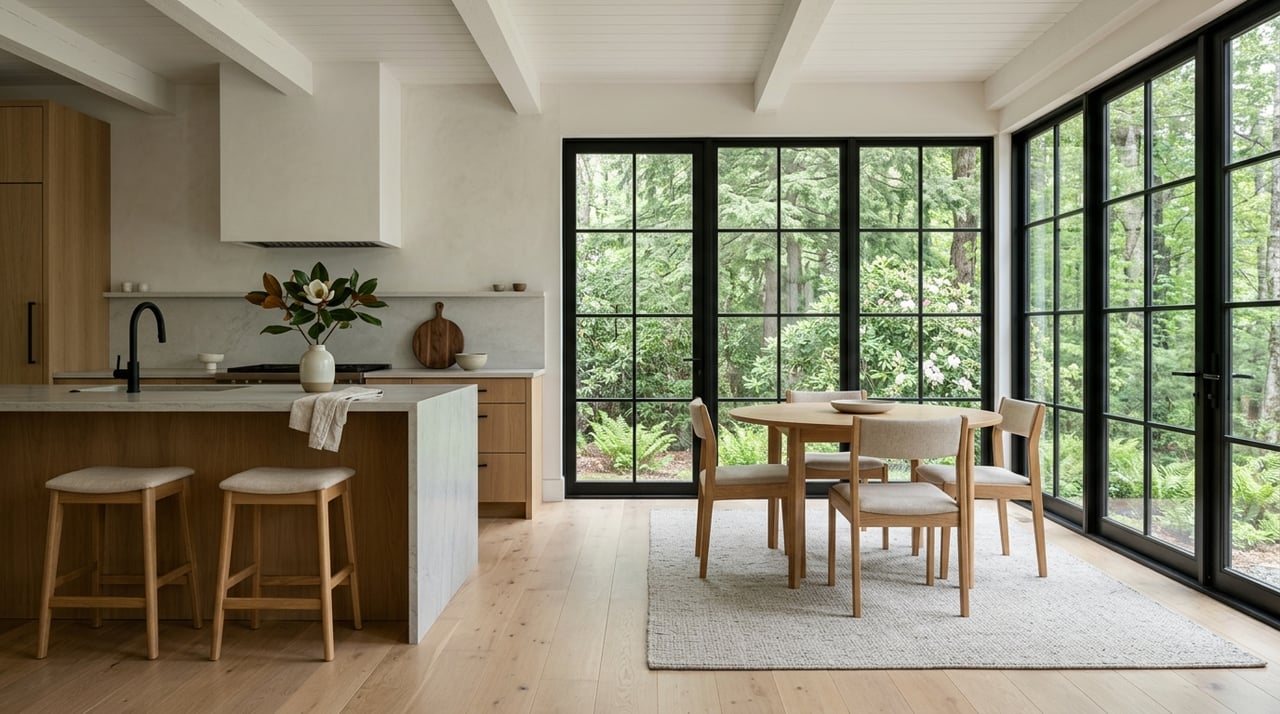
What makes a Highlands home memorable to a buyer? In many cases, it is not just the square footage or finishes. It is the feeling of stepping into a mountain property and instantly understanding the views, the light, and the way the home lives. If you are preparing to sell in Highlands, staging can help buyers see that story more clearly. Let’s dive in.
Why staging matters in Highlands
Highlands is not a typical market. Historic preservation records describe it as a mountain resort town where homes were valued for scenic views from windows, porches, and terraces, and recent market data show a premium price point compared with Macon County overall. According to documented local context, Highlands had a median listing price of $1.395 million and 137 median days on market, while Macon County overall was at $525,000 and 87 median days on market (historic preservation documentation).
That matters because buyers in Highlands are often evaluating both the home and its setting. A thoughtful staging plan helps your property present those mountain-lifestyle features in a clear, polished way. Instead of feeling crowded or overly personal, the home feels easy to imagine living in.
What professional staging helps buyers do
The biggest value of staging is simple: it helps buyers picture themselves in the home. In the National Association of Realtors 2025 Profile of Home Staging, 83% of buyers’ agents said staging made it easier for a buyer to visualize the property as a future home.
That finding is especially important in a market like Highlands, where many buyers may be searching for a second home, seasonal retreat, or lifestyle property. If your rooms feel open, calm, and purposeful, buyers can focus on how the home fits their goals instead of mentally editing out clutter, oversized furniture, or distracting décor.
Staging may also support stronger offers and a smoother sales timeline. In NAR’s survey, 19% of agents said staging increased dollar value offered by 1% to 5%, 10% reported a 6% to 10% increase, and 30% said staging slightly reduced time on market.
Staging supports online marketing first
Before many buyers ever schedule a showing, they look at the visuals. NAR found that photos were much more or more important to clients in 73% of cases, followed by traditional physical staging at 57%, videos at 48%, and virtual tours at 43% (NAR staging profile).
That means staging is not only about open houses or in-person tours. It is part of your full marketing presentation. In Highlands, where scenic lots, porches, decks, and natural light can be major selling points, staging helps those features come through better in listing photos and digital media.
What staging should highlight in a mountain home
In Highlands, staging works best when it helps the home feel connected to the landscape. The goal is not to create a generic showroom. The goal is to make the mountain setting feel like part of daily living.
Protect the view lines
If your home has mountain views, wooded outlooks, or attractive outdoor spaces, staging should help buyers notice them right away. Historic records note the importance of views from windows, porches, and terraces in Highlands, so furniture placement and décor should support that experience, not block it.
That usually means avoiding heavy window treatments, oversized sectionals, bulky accent pieces, or crowded porch layouts. When sightlines stay open, buyers can better appreciate what makes the property unique.
Let natural light lead
According to NAR’s staging guidance, common best practices include letting natural light shine, using neutral wall colors, opening up space, and streamlining décor. In a mountain market, those choices often work especially well because they keep attention on the room proportions, the windows, and the setting beyond them.
A brighter, lighter presentation can make a home feel more current and more welcoming. It also tends to photograph better, which matters when online impressions drive showing activity.
Treat outdoor areas as living space
In Highlands, porches, decks, patios, and screened spaces often function like additional rooms. NAR’s 2025 survey found that outdoor or yard space appeared in 31% of sellers’ staging plans, which makes sense in a market where outdoor living is part of the appeal.
If your home has a covered porch, terrace, or deck, staging should help define how it can be used. A simple seating arrangement or uncluttered layout can help buyers read the space as a place to relax, gather, or enjoy the view.
Which rooms deserve the most attention
Not every room needs the same level of effort. If you are deciding where to focus time and budget, NAR found the most commonly staged rooms were:
- Living room: 91%
- Primary bedroom: 83%
- Dining room: 69%
- Kitchen: 68%
For Highlands sellers, outdoor spaces also deserve strong consideration when they are a meaningful part of the property. If a porch or terrace is central to the home’s appeal, it should be presented with the same care as the main interior rooms.
What professional staging usually includes
Staging is broader than furniture alone. According to NAR, staging can be self, professional, or virtual, and often includes cleaning, decluttering, repairing, depersonalizing, and updating the home so buyers can picture themselves there.
NAR’s 2025 survey also found that the most common prep items were decluttering at 91%, whole-home cleaning at 88%, and improving curb appeal at 77%. That is a helpful reminder that the process often starts with editing and preparation before any styling pieces are added.
In practical terms, a strong staging plan may include:
- Removing extra furniture to improve flow
- Clearing countertops and shelves
- Deep cleaning throughout the home
- Touching up paint or minor repairs
- Simplifying décor and personal items
- Refreshing exterior areas and landscaping
How to choose the right level of staging
Not every listing needs the same approach. NAR found that only 21% of sellers’ agents stage every home, while 10% stage only homes that are difficult to sell and 51% do not stage before listing but instead recommend decluttering or fixing faults.
That tells you something important: staging is a tool, not a one-size-fits-all rule. The right plan depends on the property, its condition, whether it is furnished or vacant, and which features need the most help standing out.
Full professional staging
Full professional staging can make sense when your home is vacant, positioned in a higher price tier, or needs a more cohesive visual story. In Highlands, it may be especially helpful when the property has premium views, strong outdoor living areas, or architectural details that need to read clearly in marketing.
For sellers weighing cost, NAR reported a median spend of $1,500 for a professional staging service. That does not make staging automatic for every listing, but it gives you a realistic benchmark.
Partial staging or styling
Sometimes the best answer is not full furnishing. A partially furnished home may only need furniture editing, accessory updates, better room definition, and cleaner sightlines.
This can be a smart middle ground if your home already shows well but could benefit from a more polished presentation. It also helps when a home has strong bones and beautiful surroundings, yet the current setup distracts from them.
Virtual staging for vacant homes
If the home is empty, virtual staging may be a practical option. NAR notes that virtual staging can be useful when a home would otherwise be vacant or still inhabited, and that blank rooms can feel smaller or less inviting to buyers (NAR staging resource).
For some Highlands listings, virtual staging can help buyers understand room scale and function without the cost or logistics of full physical staging. It can be especially useful when the priority is improving online presentation.
A Highlands-specific staging mindset
In this market, staging is most effective when it edits rather than over-decorates. Buyers are not looking for a busy design statement. They are looking for a home that feels calm, intentional, and connected to the mountain setting.
That is why the most successful staging often comes down to a few core goals:
- Keep the focus on views and natural light
- Help each room feel open and easy to understand
- Make outdoor spaces feel usable and inviting
- Remove distractions that compete with the setting
- Support stronger photos, video, and tour presentation
When those pieces come together, your home can stand out for the right reasons.
If you are preparing to sell in Highlands, a thoughtful staging strategy can help your property show its best both online and in person. From decluttering and presentation to a more polished seller marketing plan, Collin Taylor - Main Site brings local market knowledge and professional guidance to help you position your home with confidence.
FAQs
Is professional staging worth it for a Highlands home with great views?
- Yes. Staging can still help buyers visualize the home as their future space, and in Highlands it can make the view feel like part of the living experience rather than just a feature outside the window.
Which rooms matter most when staging a Highlands home for sale?
- NAR found the living room, primary bedroom, dining room, and kitchen are the most commonly staged rooms, and outdoor spaces may also matter when they are central to the property’s appeal.
How much does professional staging usually cost for a home sale?
- NAR’s 2025 survey reported a median spend of $1,500 for a professional staging service.
Is virtual staging acceptable for a vacant Highlands listing?
- Yes. NAR says virtual staging can be useful for vacant homes and for situations where full physical furnishing would be too costly or cumbersome.
Does every Highlands home need full professional staging before listing?
- No. The right approach depends on the home’s condition, price point, furnishings, and marketing needs. Some properties may only need decluttering, repairs, and presentation updates.