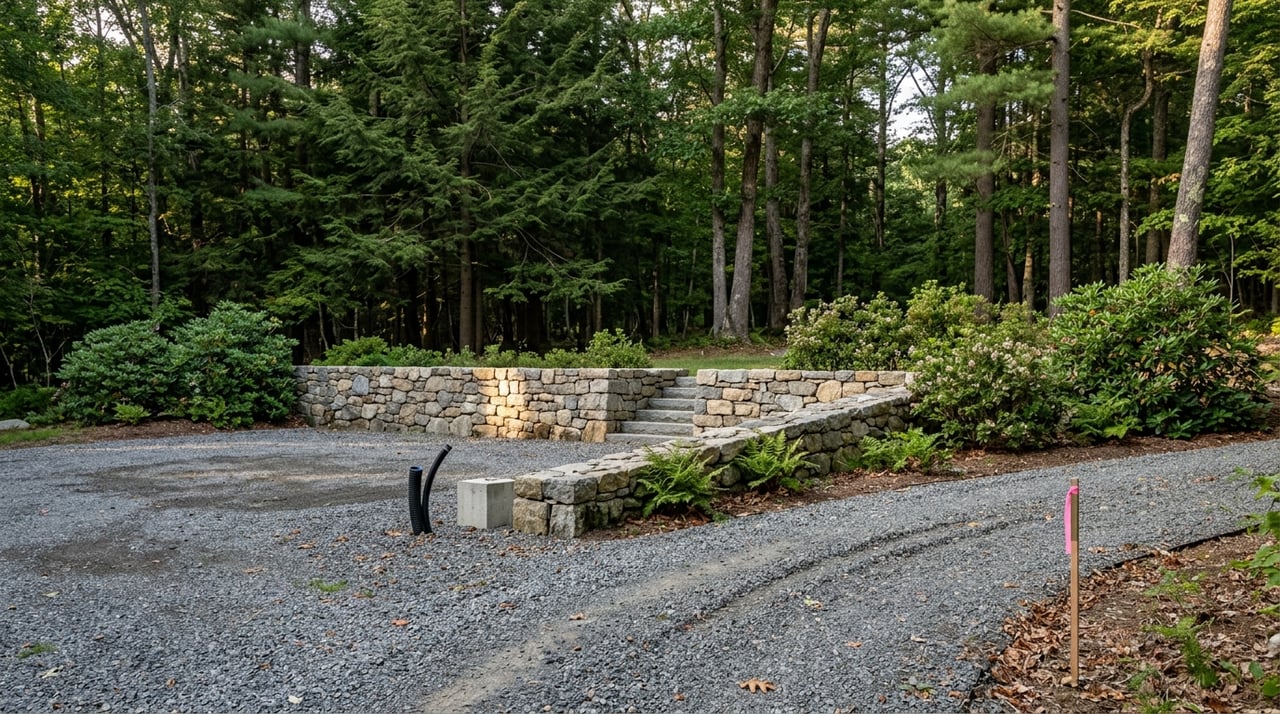
If you price land in Cashiers by a simple per-acre number, you can miss the mark by a wide margin. A small homesite with lake access, club amenities, and ready utilities can command far more than a much larger tract with steep terrain or unresolved access. If you are preparing to sell land or acreage around Cashiers, this guide will help you understand what actually drives value, what buyers look for, and how to build a pricing strategy that fits your parcel. Let’s dive in.
Why Cashiers Land Pricing Is Different
Cashiers is not a one-size-fits-all land market. Jackson County describes it as a seasonal destination with private clubs, summer homes, high-end shopping, and a village center at the U.S. 64 and NC 107 intersection. The area’s year-round population averages about 1,700 and can exceed 10,000 in summer, which helps explain why location, lifestyle, and site quality can strongly shape pricing.
That local context matters because two parcels with similar acreage can have very different value. In Cashiers, buyers are often comparing not just size, but also views, access, utility readiness, gated entry, club setting, and how easily the land can support a future build. That is why pricing land here is usually a site-specific process, not an acre-rate exercise.
Start With the Parcel, Not the Acreage
Acreage is only one part of the story. In many mountain markets, and especially around Cashiers, the more important question is what a buyer can actually do with the land and how appealing that experience will be.
A small parcel with a gentle slope, paved approach, mountain or lake views, and available utilities may be more valuable than a much larger tract that needs major site work. Jackson County’s planning and GIS resources show why this happens. Zoning, slope, watershed rules, soils, wetlands, flood data, and utility layers can all affect what is feasible on a given parcel.
Key Factors That Shape Value
Access and Frontage
Access is one of the first things buyers and their agents notice. If a parcel needs new access to a state highway, NCDOT requires a driveway permit to obtain or modify access to the State Highway System, and the agency recommends early coordination with local land-use officials and the local NCDOT district office.
That means existing paved access, a private road already in place, or established gate access can make a listing easier to understand and market. Land that still needs a new driveway plan, easement solution, or roadway approval may draw interest, but buyers often price in that extra uncertainty.
Topography and Slope
Mountain land lives and dies by usable terrain. Jackson County GIS includes contours and slope-related data, and the county uses a slope-analysis form to check compliance with its Mountain and Hillside Development Ordinance.
For most buyers, gently sloping or partially rolling land is easier to picture building on than a steep site with limited flat area. A dramatic ridge parcel may still be valuable, especially if the view is exceptional, but pricing has to reflect the balance between beauty and build complexity.
Flood, Soils, and Watershed Constraints
Not every beautiful parcel is equally straightforward to develop. Jackson County GIS includes flood data, soils, watersheds, wetlands, water, and sewer layers. The county also notes that some watershed parcels require a minimum of 0.50 acre per dwelling unit or subdivided lot.
These are not small details. If a buyer sees possible constraints tied to septic placement, lot layout, drainage, or density, that can affect both demand and price. Strong pricing usually comes from understanding these conditions upfront instead of leaving buyers to guess.
Utilities and Permitting Readiness
Utility clarity can add real value. Jackson County requires a Land Development Application before a new septic or well permit process, followed by an Environmental Health application with a site plan or plat showing structures, wastewater systems, vehicular areas, water supplies, wells, springs, water lines, and drainage features.
If your parcel already has a clearer path for well, septic, water, sewer, fiber, or underground power, that can support stronger pricing. Buyers tend to respond well when they can see a more direct route from raw land to a future home.
Views, Water Features, and Community Setting
In Cashiers, lifestyle often matters as much as square footage or acreage. Jackson County describes the area through its mountain scenery, lakes, rivers, and private clubs, and the Cashiers Small Area Plan focuses on land use, transportation, utilities, natural resources, and economic development.
That helps explain why lake access, golf-course frontage, gated entry, and long-range mountain views can sharply influence value. In many cases, those features outweigh lot size alone. A smaller homesite in the right setting may command far more attention than a larger tract without the same experience.
Recent Sales Show a Wide Price Range
Recent sales around Cashiers illustrate how varied land pricing can be:
- 14 Arbor Grn Lot 14 sold in 2025 for $42,500 on 0.32 acre with a gentle slope, wooded setting, private road, and deeded Lake Glenville access.
- 59 Bottlebrush Ln Lot 59 sold in 2026 for $665,000 on 0.43 acre in The High Hampton Community Association.
- N-20 Fox Fire Lot N20 sold in 2025 for $425,000 on 0.77 acre on a golf course in Wade Hampton, with private water and private sewer.
- MD-9 Old Chimney Rd Lot MD9 sold in 2025 for $695,000 on 1.44 acres with partial clearing, rolling slope, lake and mountain views, and gated community placement.
- 1880 Highway 107 S sold in 2025 for $6.4 million on 39.18 acres.
These examples do not support a single reliable per-acre formula. Instead, they show how amenity-rich homesites can trade at much higher implied acre values than larger raw tracts. When you price land around Cashiers, matched features matter more than math alone.
Why Per-Acre Pricing Often Fails
Per-acre pricing sounds simple, but it can lead sellers in the wrong direction. A buyer is not just purchasing dirt. They are buying access, view potential, buildability, convenience, privacy, and the overall ownership experience.
That is especially true in Cashiers, where one acre inside a gated golf community with utility availability can compete in a totally different market segment than ten acres with no clear building envelope. The best pricing approach is to compare like with like and adjust for the parcel’s actual strengths and limitations.
What Strong Land Pricing Should Include
A credible pricing opinion for land around Cashiers usually starts with solid due diligence. The more clearly you can define the parcel, the more confidently a buyer can respond.
Useful pricing inputs often include:
- A current survey or recorded plat
- Road frontage and access details
- Driveway or gate access information
- Septic and well history, if any
- Water, sewer, power, fiber, or shared-well availability
- HOA, covenant, or community information
- Slope, contour, and likely building site review
- Recent nearby closed sales with similar features
This is where local analysis matters. A strong comp is not just nearby. It should also resemble your parcel in terrain, view profile, community setting, and utility readiness.
Current Listings Also Reveal Buyer Priorities
Active listings can help show what today’s buyers are paying attention to, even though list price is not the same as sale price. Current examples in the area include a 1.21-acre homesite in Saratay Falls listed at $399,000 with electricity, fiber, underground utilities, water available, and shared-well status.
Another example is a 2.25-acre Mountaintop Golf homesite listed at $1.55 million with sewer available, water available, fiber, high-speed internet, and gated golf-club amenities. An 8.48-acre Silver Run Reserve homesite is listed at $2.249 million with electricity, fiber, underground utilities, community water, and long-range mountain, lake, and meadow views.
The pattern is clear. Buyers notice utility readiness, view quality, and community context right away. If your parcel offers those advantages, pricing should reflect them.
A Practical Pricing Approach for Sellers
If you are getting ready to list land or acreage in Cashiers, a smart pricing process usually follows a few steps.
Gather the Property Facts
Start with the documents and details that define the land. A survey, plat, utility information, access notes, and any prior septic or well work can help frame the opportunity clearly.
Identify the Real Buyer Pool
Ask who is most likely to buy the parcel. Is it a second-home buyer looking for a view lot, someone focused on lake access, or a land buyer seeking larger acreage with long-term potential? The answer helps shape both price and marketing.
Match the Right Comps
Use recent sales that genuinely resemble the parcel. In Cashiers, matching by slope, access, utility path, views, and community features is often more useful than matching by size alone.
Account for Friction Points
If the land needs a driveway permit, septic solution, or extensive site work, that should be reflected in pricing. Buyers often respond positively to transparency, especially when mountain land comes with technical questions.
Position the Listing Clearly
The best-priced land listings do more than state acreage. They explain what makes the parcel valuable, what has already been solved, and what a buyer can realistically envision building or enjoying there.
The Bottom Line on Pricing Land in Cashiers
Land pricing around Cashiers works best when you treat each parcel as unique. Jackson County’s planning framework, the area’s mountain terrain, and the importance of access, utilities, and lifestyle features all point to the same conclusion. Accurate pricing comes from parcel-specific analysis, not from a shortcut formula.
If you want to sell well, the goal is not to chase the highest number without support. It is to position the land where serious buyers can see both its value and its feasibility. That is how you create stronger interest, cleaner negotiations, and a better path to closing.
If you are thinking about selling land, acreage, or a homesite in Cashiers, Collin brings local market knowledge, polished marketing, and hands-on transaction guidance to every step. To talk through your parcel and pricing strategy, connect with Collin Taylor - Main Site.
FAQs
How should you price land in Cashiers, NC?
- The most reliable approach is to price land based on site-specific factors like access, slope, utilities, views, and community setting, then compare it to recent nearby sales with similar features.
Why does acreage not tell the whole story for Cashiers land?
- In Cashiers, a smaller homesite with lake access, gated entry, or utility availability may be worth more than a larger parcel with steep terrain or unresolved access issues.
What documents help support a land price in Jackson County?
- Helpful items include a survey or plat, access information, septic and well history, utility details, HOA or covenant information, and any data that helps confirm buildability.
How do access issues affect land value in Cashiers?
- If a parcel needs new access to a state highway, NCDOT requires a driveway permit, so existing paved access or established gate access can make a property easier for buyers to evaluate.
What local features most affect lot value around Cashiers?
- Common value drivers include mountain or lake views, golf-course frontage, lake access, utility readiness, gentler topography, and placement within a gated or private club community.
What is the biggest mistake sellers make when pricing acreage in Cashiers?
- One common mistake is relying on a flat per-acre number without adjusting for buildability, utility path, access, slope, and the parcel’s overall lifestyle appeal.