Thinking about a mountain retreat that can help pay for itself? In Highlands, the right vacation rental can deliver premium nightly rates, steady seasonal demand, and a place you love to use. At the same time, local rules and operating costs can make or break returns. In this guide, you’ll learn how Highlands performs, the regulations you must understand, what to buy, what it costs to run, and how to de‑risk your plan. Let’s dive in.
Quick answer
A Highlands vacation rental can be a smart investment if you buy in the right location, underwrite with conservative numbers, and plan for regulations and seasonality. Highlands’ market shows midrange occupancy with strong average daily rates, but parcel-level zoning and HOA rules are decisive. The Town adopted an amortization of short-term rentals in R-1 and R-2 that ends September 15, 2027, so you need to confirm zoning and status before you buy. Build a realistic operating budget that includes management, cleaning, insurance, and lodging taxes.
Demand in Highlands
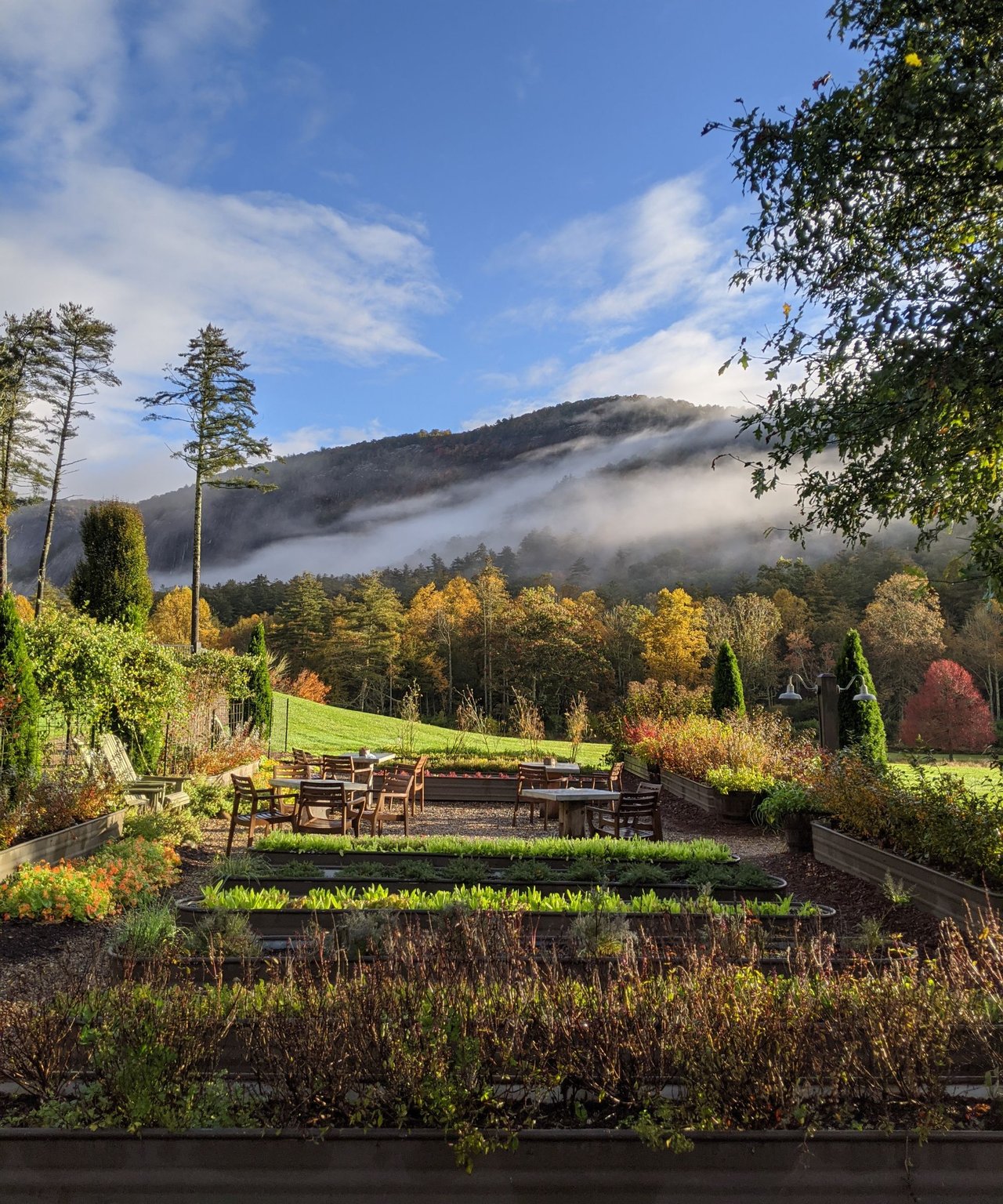
Highlands draws visitors for waterfalls, short hikes, mountain views, and a refined small-town experience. Arts and cultural programming adds year-round interest, which helps reduce winter slowdowns for well-positioned properties. You can see the destination’s cultural pull by browsing the Highlands Chamber’s arts and theater calendar.
Luxury hospitality and events bring premium demand. Wedding guests, corporate retreats, and special events at venues like Old Edwards support higher rates and fill shoulder seasons. Overall, analytics show strong summers and vibrant spring and fall, with winter quieter except holidays. Platforms tracking Highlands report meaningful seasonal swings, so set rates and minimums with that in mind. Market snapshots from AirDNA reflect these patterns.
What the numbers show
Vendor-reported benchmarks for Highlands vary, but they cluster in a consistent band. Market-level occupancy typically lands around 40 to 55 percent, with average daily rates commonly in the mid $300s to high $400s. AirDNA’s market overview has recently shown occupancy near 45 percent and ADR around the high hundreds, while an Airbtics summary placed median occupancy closer to the low 50s with lower ADRs.
Use these as directional guides only. For underwriting, pull address-level comps and recent calendars for the specific property you are evaluating. Top-tier, well-amenitized homes and event weeks can outperform median figures, but you should model a conservative ADR and occupancy, then stress test for slower winter months.
Rules and taxes that matter
Highlands has a high-impact local rule you must factor in. On September 19, 2024, the Town amended its UDO to treat short-term rentals in R-1 and R-2 as nonconforming uses that must cease by September 15, 2027. That means many existing STRs in those zones are only permitted through that date. Always confirm a parcel’s zoning, whether it is in R-1 or R-2, and whether any operation is grandfathered per the ordinance language. You can review the Town’s meeting materials and ordinance text here.
Before advertising, Highlands requires you to obtain a short-term rental license and to collect and remit lodging taxes monthly. The Town’s revenue portal outlines the annual STR license fee, the tax on gross short-term rents, and monthly filing procedures. Build this into your operating model and calendar reminders. Review details in the Town’s STR licensing FAQ.
At the state level, North Carolina’s Vacation Rental Act sets rules for rental agreements, handling of advance payments, and expedited evictions. Local zoning and HOA covenants still apply, so verify recorded CC&Rs and any minimum lease terms or rental limits. Litigation and advocacy around STRs are ongoing in Highlands, so keep an eye on updates and plan for regulatory change.
Costs, operations, and insurance
Property management is a major line item. Full-service fees commonly range from 18 to 35 percent of gross revenue depending on services, with many national managers landing around the mid 20s to about 30 percent. Compare scope, local responsiveness, and pricing among multiple firms and ask for owner references. Industry rundowns like this management-fee guide are useful context.
Turnovers, supplies, and maintenance add up. Cleaning is charged to guests but paid by you, and in mountain markets it often justifies $100 or more per turnover, with larger homes and hot tubs costing more. Budget for linens, periodic deep cleans, hot tub service, minor repairs, utilities, platform fees, and reserves for wear and tear. Lodging taxes need monthly remittance via the Town portal, which also has filing deadlines.
Insurance needs are specialized. Standard homeowners policies often exclude business or short-term rental activity. Platform “host protection” is supplemental and not a replacement for proper coverage. Most investors secure dedicated STR or commercial policies from carriers offering this product. Start quotes early and confirm lender requirements. See this overview of STR coverage considerations from Insurance.com.
Financing varies by strategy. Conventional non-owner-occupied loans are common, while DSCR and portfolio loans can underwrite income from the property. Expect down payments in the 15 to 25 percent range for many investor loans, often 20 percent or more for a single-unit purchase, with multi-unit requiring more. For an orientation to options, review this rental property financing guide.
What to buy in Highlands
Most successful Highlands listings are entire homes, often 2 to 4 bedrooms, that serve families or small groups. Proximity to downtown or to signature outdoor attractions supports steady demand. Reliable high-speed internet, easy parking, and clear check-in instructions are table stakes.
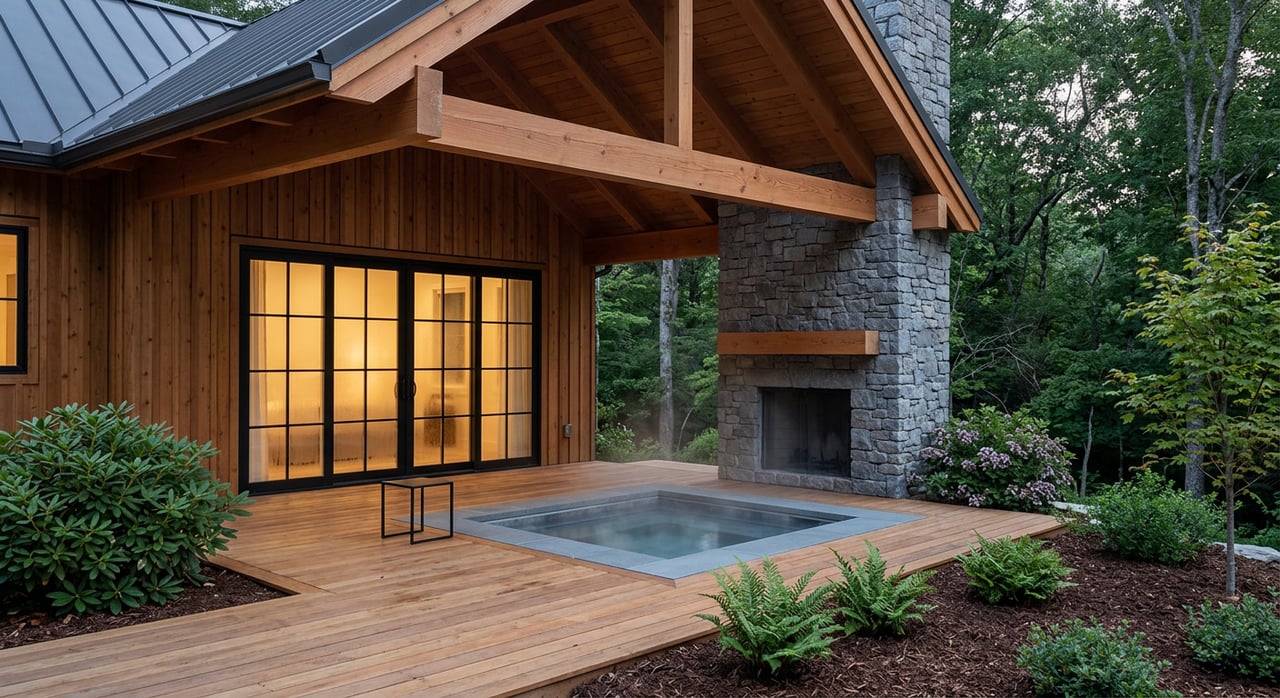
Premium features tend to earn premium ADR. Mountain views, a private hot tub, multiple fireplaces, covered decks, and upgraded interiors can lift both rates and booking pace. Pet-friendly policies can widen your audience. High-quality photography and well-structured listings matter as much as the amenities themselves. Market snapshots from AirDNA and Airbtics routinely highlight these traits among top performers.
Risks and how to plan
- Regulatory risk: The UDO amortization for R-1 and R-2 creates a known sunset date. Mitigation: verify zoning before you buy, price for risk, and outline a conversion plan to long-term rental or personal use if rules tighten.
- Seasonality: Winter is quieter, summers and fall are strong. Mitigation: adjust rates by season, set 2 to 3 night minimums to capture weekends, and consider off-season monthly or work-from-anywhere stays.
- Insurance and liability: Standard policies may not cover STR activity. Mitigation: obtain a dedicated STR policy and confirm the scope of any platform protections.
- HOA and covenants: Private restrictions can supersede your plans. Mitigation: read recorded CC&Rs, request written confirmation from the HOA about lease rules, and speak with counsel.
- Margin pressure: Management, cleaning, maintenance, and taxes lower net yield. Mitigation: compare management models, track expenses monthly, and build a cash reserve for slow periods and repairs.
Due diligence checklist
- Confirm zoning and UDO status for the specific parcel with the Town of Highlands. Ask if the property is in R-1 or R-2 and whether any STR use is grandfathered per the 2024 amendment. Start with the Town’s posted materials here.
- Review recorded covenants and HOA rules for any lease-length requirements or STR bans. Request a written statement from the HOA.
- Pull address-level STR comps and calendar history for at least the last 12 to 24 months. Use multiple analytics sources for a fuller picture, like AirDNA’s Highlands overview.
- Interview at least two local property managers. Compare management percentages, setup costs, cleaning rates, maintenance response, and owner reporting. Use quotes to build a conservative pro forma.
- Obtain a dedicated STR insurance quote and confirm lender and platform requirements. Review coverage gaps using resources like Insurance.com.
- Explore financing early. Compare conventional investment loans with DSCR or portfolio options and confirm down payment, rate, and reserve requirements. A quick primer is available in this financing guide.
- Price for downside and plan an exit. Model lower occupancy and ADR, and outline a conversion or sale plan if regulations change.
When you buy the right property, in the right location, with a clear plan, a Highlands vacation rental can be both a lifestyle upgrade and a sound investment. The key is getting the details right from the first showing to the first booking.
Ready to evaluate opportunities with local insight and a clear plan? Reach out to Collin Taylor - Main Site to talk through zoning, underwriting, and the purchase strategy that fits your goals.
FAQs
Are short-term rentals allowed in Highlands R-1 or R-2 after 2027?
- The Town’s 2024 UDO amendment states that STRs in R-1 and R-2 must cease by September 15, 2027, so confirm parcel zoning and status with the Town before you buy.
What occupancy and nightly rate should I model in Highlands?
- Vendors report roughly 40 to 55 percent occupancy and ADRs from the mid $300s to high $400s; use address-level comps and model conservatively for winter slowdowns.
What permits and taxes do I need to operate a Highlands STR?
- You need a Town STR license, you must collect and remit lodging taxes monthly through the municipal portal, and you should calendar the filing deadlines and annual fee.
What are typical Highlands STR management fees?
- Full-service fees commonly range from 18 to 35 percent of gross revenue depending on services, with setup fees, cleaning, and maintenance billed separately.
What loan options work for vacation rentals?
- Many investors use conventional non-owner-occupied loans or DSCR/portfolio loans, with down payments often 20 percent or more depending on the product and lender.
Which property features boost bookings in Highlands?
- Entire homes with 2 to 4 bedrooms, strong views or near-town locations, private hot tubs, fireplaces, quality finishes, reliable internet, and pet-friendly policies tend to perform.