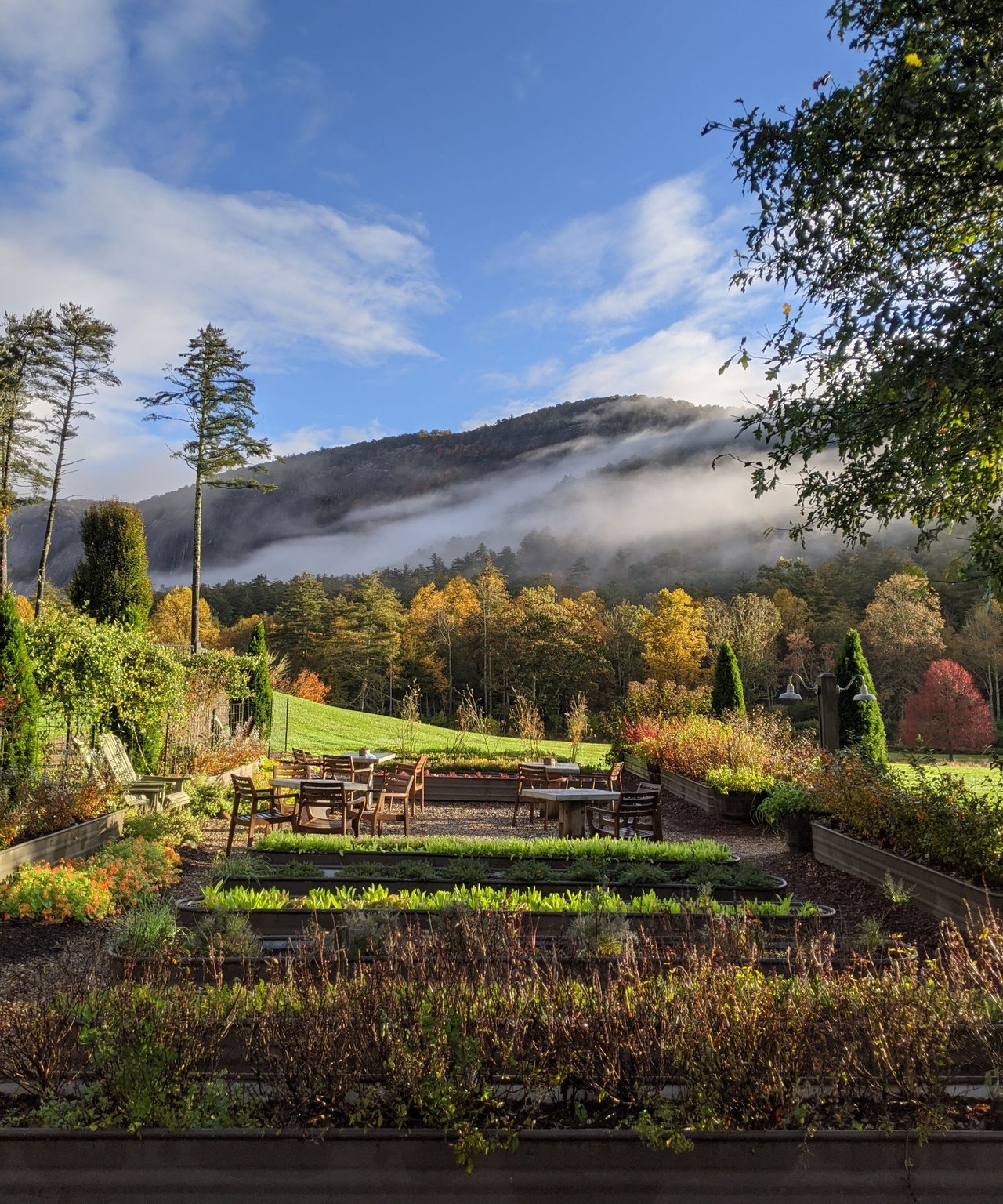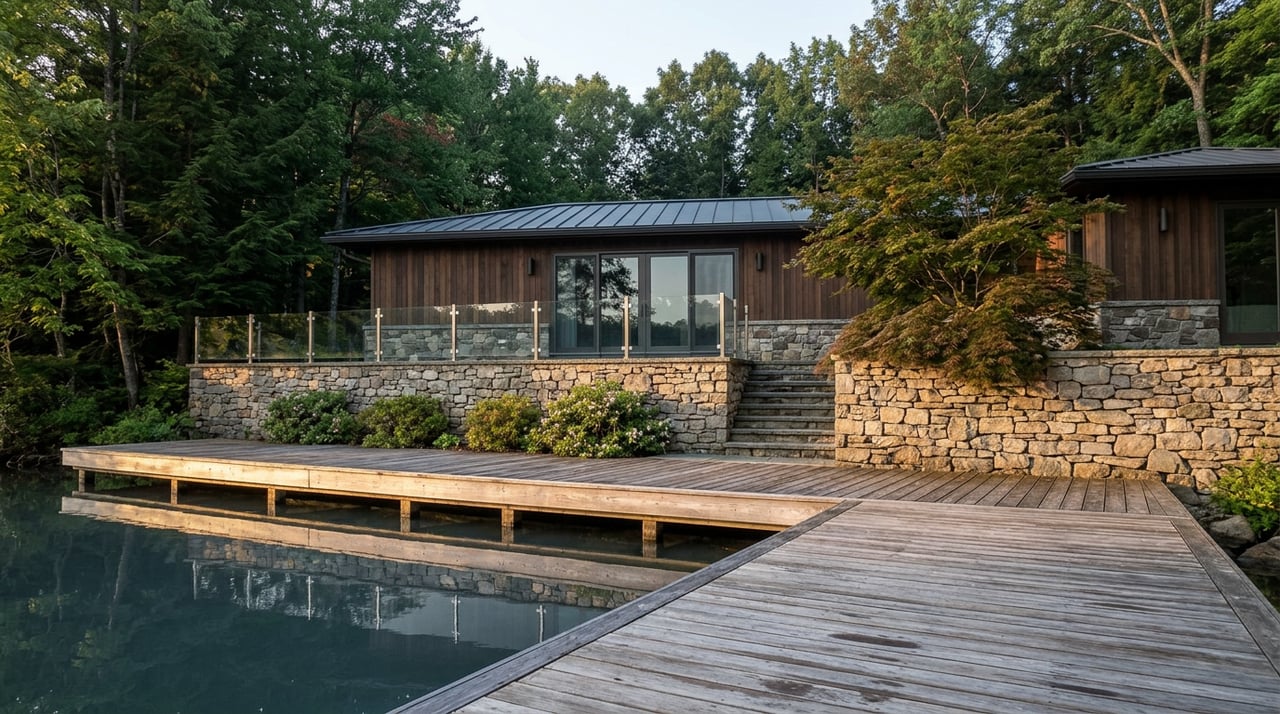
A buyer stands on a wooded half-acre above Lake Glenville, agent beside her, pointing toward a gap in the rhododendron where the water shows through. The listing calls the lot dockable. The buyer pictures the sequence she has seen work for friends elsewhere on the plateau: buy the land, lock in the dock rights while the water is calm and the paperwork is simple, then spend two or three years designing and building the house at her own pace, boat already waiting when she moves in.
That sequence broke on July 1, 2026.
The Assumption That Just Stopped Working
Lake Glenville, like every reservoir Duke Energy operates in the Carolinas, sits under a federal hydropower license that gives the utility, not the county and not the property owner, final say over anything built on, over, or into the water. For years, the practical effect on the plateau was mostly about patience. You applied, you waited a few weeks, you got your dock permit, and what you did with the land afterward was your business. Plenty of buyers used that flexibility as a strategy: secure the water rights first, then take your time with the house.
Duke Energy's own shoreline permitting page now states that the utility will no longer review private dock applications where no home is constructed on the adjoining lot, effective July 1, 2026, and that the change applies to every lake in its system, Glenville included. The requirement is narrow but decisive. It is limited to new dock permits. Shoreline stabilization work, riprap, retaining walls, that kind of thing, is unaffected. But if what you want is a dock, and there is no house on the lot yet, Duke will not even open the file.
What This Actually Changes About a Vacant Lot
The lot in the opening scene did not lose its water access. It lost its shortcut.
Before July 1, a buyer could treat the dock permit and the home build as two parallel projects, running on separate clocks. Now they run on the same clock, and the dock's clock cannot start until the home's clock finishes. That reorders the financial exposure of buying raw land on Lake Glenville. The buyer is no longer holding a lot with a pending or approved dock while she takes her time on architectural drawings. She is holding a lot with a promise that only becomes real once a certificate of occupancy exists.
For a cash buyer building within a year, this barely registers. For anyone treating a Glenville lot as patient land banking, or anyone who might resell before breaking ground, the math changed overnight. A dockable lot with no house on it is now a lot where the thing that made it dockable in the marketing copy is unverifiable until someone actually builds.
| Before July 1, 2026 | After July 1, 2026 | |
|---|---|---|
| When you can apply for a dock | Anytime after purchase | Only after a home is constructed |
| Who bears the construction-timeline risk | Spread across land and house separately | Concentrated in the house build |
| Resale story for an unbuilt lot | "Dockable, permit pending or securable" | "Dockable once built, unverified until then" |
| Value of a lot with an existing, documented dock permit | Nice to have | Materially harder to replicate |
The Named Communities Feel This Differently
Lake Glenville's shoreline is not one uniform market. It is a set of gated communities with different relationships to the water, and the rule change lands harder in some than others.
Chinquapin, the roughly 2,000-acre community west of the lake, is capped at 200 home sites and built its identity around hiking trails, a stable, and a walking golf course shared with its sister club, Trillium. Most Chinquapin lots are mountainside rather than lakefront, so the dock rule barely touches the community's core inventory. It matters more in places built explicitly around the water: Glenshore, Summer Hill, and Tocami, where recent construction has leaned on private dock access as part of the pitch, and where a vacant parcel now carries a longer, less certain runway to that promised dock than it did this spring.
Cedar Point Landings has effectively built a workaround into its business model. The community markets private boat slips on the lake's main point as a standalone purchase, letting someone enjoy time on Lake Glenville without owning lakefront acreage at all. That model does not depend on a home being built on any particular lot, because the slip itself sits on community land with its own long-standing arrangement. It is worth understanding as an option precisely because it sidesteps the new bottleneck entirely.
Communities like Bridge Creek and Sims Valley, meanwhile, sell mostly long-range mountain views rather than lake frontage. Their lots were never going to carry a dock permit regardless of the July 1 change, which is its own reminder that "near Lake Glenville" and "dockable on Lake Glenville" have always been different products, and the gap between them just got more expensive to close quickly.
What the Prices Are Actually Telling You Now
Historically, dockable waterfront lots and lakefront homes on Lake Glenville have traded across a wide band, roughly $625,000 to $3.2 million, while water-view or mountain-view lots without frontage have run from about $340,000 to $1.35 million. That spread was always partly a bet on buildability and partly a bet on the dock. The second bet just got riskier for anyone buying at the low end of the range and expecting to build later.
As of the first week of September 2026, there were 66 active waterfront listings in the Glenville market with a median list price near $570,000, and the typical listing was sitting on the market for about 61 days. A median in the high $500,000s at that day-count tells you this is not a market moving on urgency. It is a market where a buyer has room to ask hard questions before writing an offer, which is exactly the leverage worth using now.
If a lot's dockability was priced in as a near-certainty, that certainty just moved further out on the calendar. A home that already carries a permitted, documented dock, transferable to a new owner through Duke's existing process, is worth more relative to a same-priced vacant lot than it was over the summer, because the buyer of the finished home is not the one absorbing the new timeline risk.
What to Ask Before You Write an Offer
For a lot marketed as dockable, ask the seller whether any dock application has ever been submitted, and if so, what happened to it. A denial or an abandoned application tells you something the listing photos will not.
For a home with an existing dock, ask for the actual permit and construction application, not just a verbal assurance that "it's permitted." Duke Energy will provide permitting history to whoever currently holds the permit in their name, but if the seller never transferred it, that transfer has to happen before anyone can see the compliance record clearly. That step belongs in the contract timeline, not after closing.
For any lot without water frontage at all, confirm early what the listing actually means by "lake access." On Lake Glenville that phrase covers everything from a deeded easement to a walk to a community dock to nothing more specific than proximity.
FAQ
If I plan to start building within a few months of closing, does the rule still cost me anything? It removes the option to apply early. Duke Energy reviews the application when it is submitted with a home already standing on the lot, not based on stated intent to build soon, so even a fast timeline means the dock process starts later than it would have before July 1.
Does this affect docks that already exist on built lots? No. The change governs new applications on vacant land. A home with an existing, properly permitted dock is not affected by this rule, which is part of why that combination is worth more attention right now.
Can I still buy a vacant lot on Lake Glenville at all? Yes, and plenty of buyers still will. The difference is treating the dock as a step that happens after the house, not a parallel track you can lock in while you take your time on the build.
A lake this specific rewards buyers who understand the mechanics behind the view, not just the view itself. If you are weighing a vacant Glenville lot against a home that already has its water rights sorted out, that is exactly the kind of comparison worth working through with someone who tracks these rules before they show up in a contract.
Collin Taylor has spent years inside Lake Glenville closings and knows which of these details actually change a deal. Schedule Your Highlands Consultation to talk through what a specific lot or listing means for your plans before you write the offer.