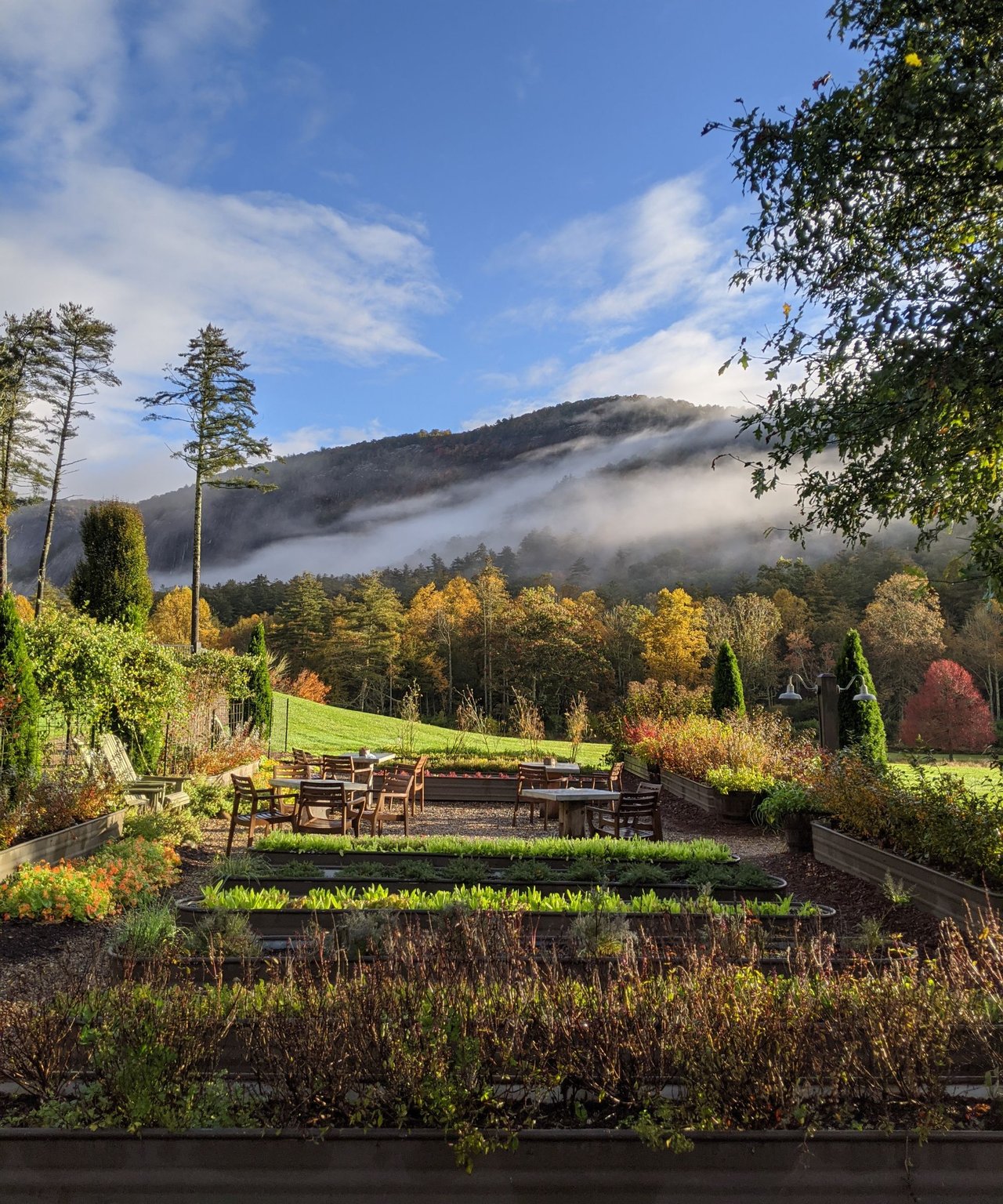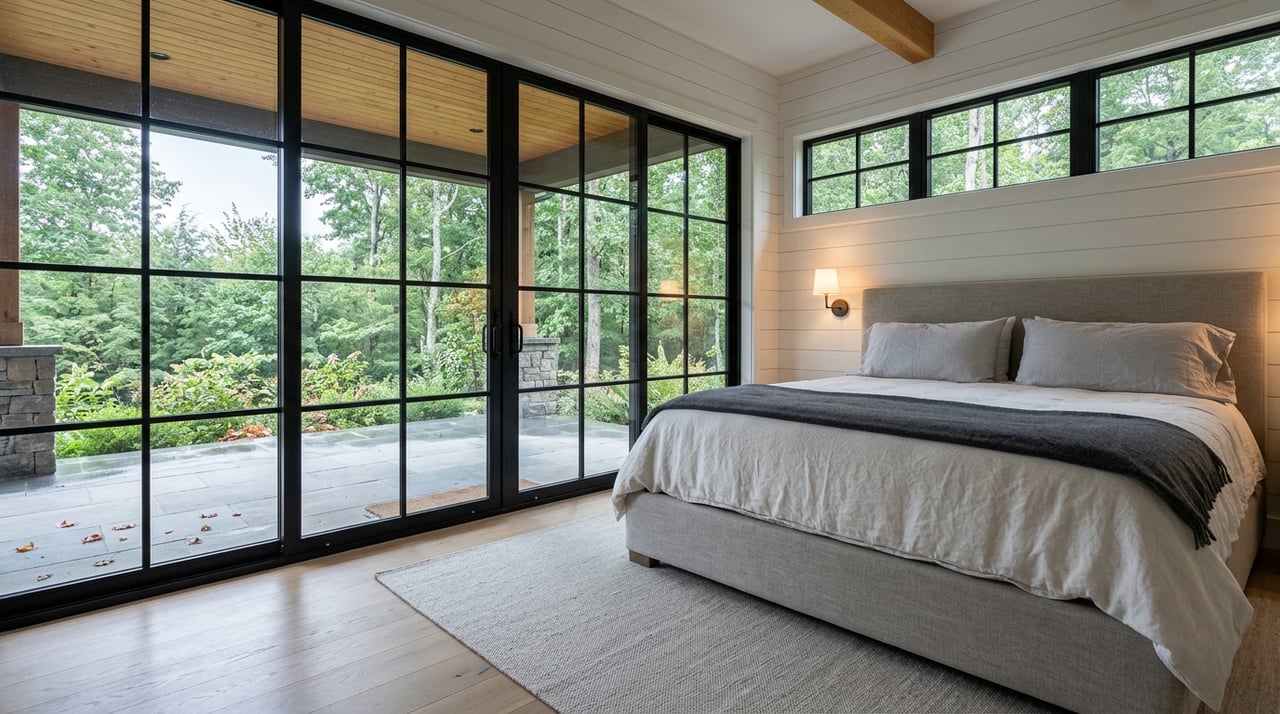
Are you picturing Highlands as a place that peaks in summer and goes quiet the rest of the year? The reality is more nuanced, especially if you are thinking about buying a second home, selling a seasonal property, or planning how you would actually use a home here. Highlands has a long-standing seasonal rhythm, but each part of the year offers a different version of mountain living. Let’s take a closer look at what seasonal living in Highlands really feels like.
Why seasonality matters in Highlands
Highlands is a high-elevation mountain town in Macon County known for its cool climate, scenic setting, seasonal homes, and active downtown. The town also notes that many homes have historically been used as summer retreats, which means seasonality is woven into the area’s identity.
That matters if you are deciding when to visit, when to buy, or how a home might fit your lifestyle. In Highlands, the seasons do not just change the weather. They shape the pace of town, the kinds of activities you can enjoy, and how many owners and visitors are in residence at a given time.
Summer in Highlands feels alive
Summer is often the most active version of Highlands. NOAA climate normals show average highs of 74.8°F in June, 77.7°F in July, and 76.1°F in August, with lows in the mid-50s and roughly 7 inches of precipitation per month.
For many buyers, that is the sweet spot. You get mild mountain temperatures at a time of year when lower elevations can feel much hotter, plus frequent moisture that helps keep the landscape green and lush.
What summer days often look like
The local chamber frames summer life around trails, waterfalls, downtown dining, shopping, music, and outdoor recreation. Its first-timer guide describes a day that starts on a trail, continues to a waterfall, and ends downtown over dinner.
That pattern says a lot about the lifestyle. In summer, Highlands can feel both relaxed and full, with outdoor activity in the morning and a lively downtown later in the day.
Summer events add to the energy
The annual calendar includes Independence Day fireworks, the Highlands-Cashiers Chamber Music Festival, and Mountaintop Art & Craft Shows, along with other warm-season events. These gatherings help explain why so many owners use their homes heavily in summer.
If you are considering a second home, summer gives you the clearest picture of Highlands at full speed. You can experience the town’s social rhythm, traffic patterns, outdoor options, and cultural calendar all in one visit.
Fall brings color and momentum
If summer is the most active season overall, fall may be the most visually memorable. NOAA normals show average highs cooling from 71.4°F in September to 62.5°F in October and 53.1°F in November.
At the same time, precipitation remains fairly high, which helps keep the landscape lush into leaf season. For many people, that mix of cooler air and changing color defines mountain living at its best.
Fall is more than leaf season
Highlands does not simply slow down after summer. The fall calendar includes the Highlands Heritage Jamboree, High Style, Highlands Motoring Festival, Dahlia Festival, Highlands-Cashiers Film Festival, Porchfest, and the Mountaintop Art & Craft Show.
That means you are not just getting scenery. You are getting a season with steady visitor traffic, local events, and a strong sense of activity that carries well beyond Labor Day.
Why buyers often love fall visits
For a buyer, fall can be one of the most useful times to explore the market. Based on the weather patterns and event schedule, it is the season that most clearly blends mountain color, festivals, and strong visitor energy.
You can also evaluate how a property feels as temperatures begin to change. That can be especially helpful if you are thinking about a home you will use beyond the summer months.
Winter is quieter, not closed
Winter in Highlands is noticeably colder, but it is not a shutdown. NOAA normals show average highs of 45.1°F in December, 42.3°F in January, and 46.4°F in February, with lows in the upper 20s to low 30s.
The same data shows about 10.2 inches of annual snowfall, with most snow arriving between December and March. For some owners, that is part of the appeal. Highlands takes on a quieter, more tucked-in feel during the colder months.
Winter ownership requires planning
The town advises seasonal residents to winterize homes if they will be away for more than a few days during cold weather. That guidance highlights an important part of second-home ownership here.
If you plan to come and go during winter, you need a clear plan for freeze protection and home monitoring. This is one reason many out-of-area buyers benefit from local guidance when choosing a property and thinking through year-round ownership logistics.
There is still a social rhythm in winter
Even when town life slows, Highlands still has seasonal activity. The town maintains an ice rink at Founders Park, which gives winter its own community rhythm.
For some homeowners, winter use looks different from summer use. Instead of long stays, it may mean holiday visits, weekend trips, or shorter escapes built around a quieter mountain atmosphere.
Spring is a soft re-entry
Spring in Highlands is a shoulder season, but that does not mean it lacks appeal. NOAA normals show March at 53.7°F for average highs, April at 62.1°F, and May at 69.3°F, with cool mornings and evenings.
As the season turns, the chamber’s nature-focused pages emphasize flowers, botanical gardens, waterfalls, and hiking. Spring often feels like a gentler version of Highlands before the peak summer calendar arrives.
Why spring works for many owners
If you value quieter visits, spring can be a very comfortable time to use a home. Trails, gardens, and waterfalls become part of the draw, and the town begins easing back into its busier pattern.
Spring can also be a practical season for owners preparing a home for heavier summer use. It is a natural time to assess maintenance, refresh outdoor spaces, and get ready for a more active stretch of the year.
Highlands has a strong second-home pattern
Seasonal living is not just a feeling in Highlands. It shows up in the housing mix too.
A Macon County housing assessment found that the Highlands/Flats submarket had 3,503 seasonal or recreational housing units in 2020, equal to 61.0% of housing units in that submarket. The report notes these homes may include second homes, vacation homes, or short-term rentals, and the statistic should be read as a broader Highlands-area indicator rather than a strict town-limit count.
That helps explain why the town can feel especially busy in peak seasons and calmer in the shoulder months. It also means many buyers are not looking for a full-time primary residence alone. They are often looking for a property that fits a seasonal lifestyle.
What a typical ownership pattern looks like
A practical pattern for many owners is heavier summer use, fall color visits, holiday and weekend winter stays, and spring shoulder-season trips. That usage pattern is supported by the town’s seasonal-home history, the event calendar, and the climate data.
If that sounds like your own goals, Highlands may line up well with how you already want to spend your time. Instead of forcing year-round occupancy, many homes here are part of a flexible lifestyle plan.
Arrival is part of the experience
The chamber’s first-timer guide notes that the drive into Highlands follows winding mountain roads with forest, views, and waterfalls. That means the seasonal experience starts before you even reach the front door.
For second-home buyers especially, that matters. The setting is not just about the house itself. It is about the full rhythm of arriving, staying, and returning throughout the year.
Highlands offers more than a resort feel
One reason Highlands works for both seasonal owners and full-time residents is that it combines a visitor-driven economy with year-round community infrastructure. The town highlights assets like the Bascom, Highlands-Cashiers Hospital, the chamber music festival, the biological station, the greenway, the playhouse, and the performing arts center as part of the local fabric.
That mix helps Highlands feel layered rather than one-dimensional. You can enjoy the seasonal energy, but you are also buying into a place with civic and cultural depth.
What this means if you are buying or selling
If you are buying, it helps to think beyond one beautiful weekend visit. Consider how you want to use the property in summer, fall, winter, and spring, and whether the home supports that pattern comfortably.
If you are selling, seasonality matters for positioning and presentation. A home in Highlands is often more than square footage and features. It is a lifestyle property, and buyers are frequently responding to how that property fits a seasonal mountain routine.
For both buyers and sellers, the best decisions usually come from understanding how Highlands lives across the full calendar. That includes climate, activity level, ownership patterns, and the practical side of caring for a mountain home.
If you are weighing a second home, preparing to list, or trying to narrow down the right fit in Highlands, working with someone who understands the local seasonal rhythm can make the process much easier. To start that conversation, connect with Collin Taylor - Main Site.
FAQs
What is summer weather like in Highlands, NC?
- Summer in Highlands is mild for the region, with NOAA average highs of 74.8°F in June, 77.7°F in July, and 76.1°F in August, plus lows in the mid-50s.
What is fall like for homeowners in Highlands, NC?
- Fall brings cooler temperatures, changing leaves, and a full event calendar, making it a popular season for visits and second-home use.
Does Highlands, NC slow down in winter?
- Winter is quieter than summer and fall, but it is not closed down, and the town still has seasonal activity such as the ice rink at Founders Park.
Is Highlands, NC a strong second-home market?
- Yes. A Macon County housing assessment found that seasonal or recreational units made up 61.0% of housing units in the broader Highlands/Flats submarket in 2020.
What should seasonal homeowners know about winter in Highlands, NC?
- The town advises owners to winterize homes if they will be away for more than a few days during cold weather, which makes freeze protection and home monitoring important.
When is the best time to visit Highlands, NC before buying?
- The best time depends on how you plan to use the home, but summer shows the town at peak activity while fall combines cooler weather, color, and a strong event calendar.