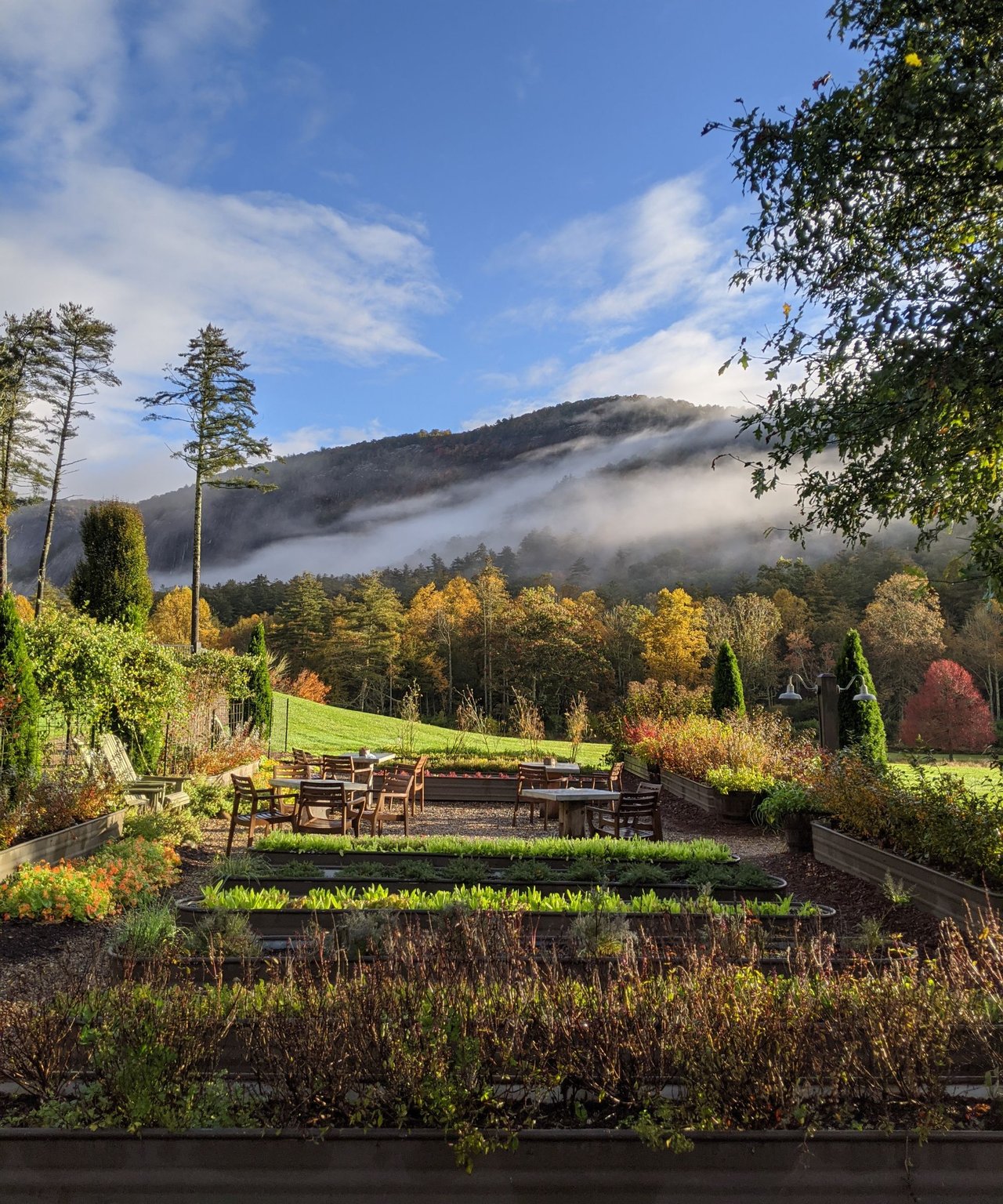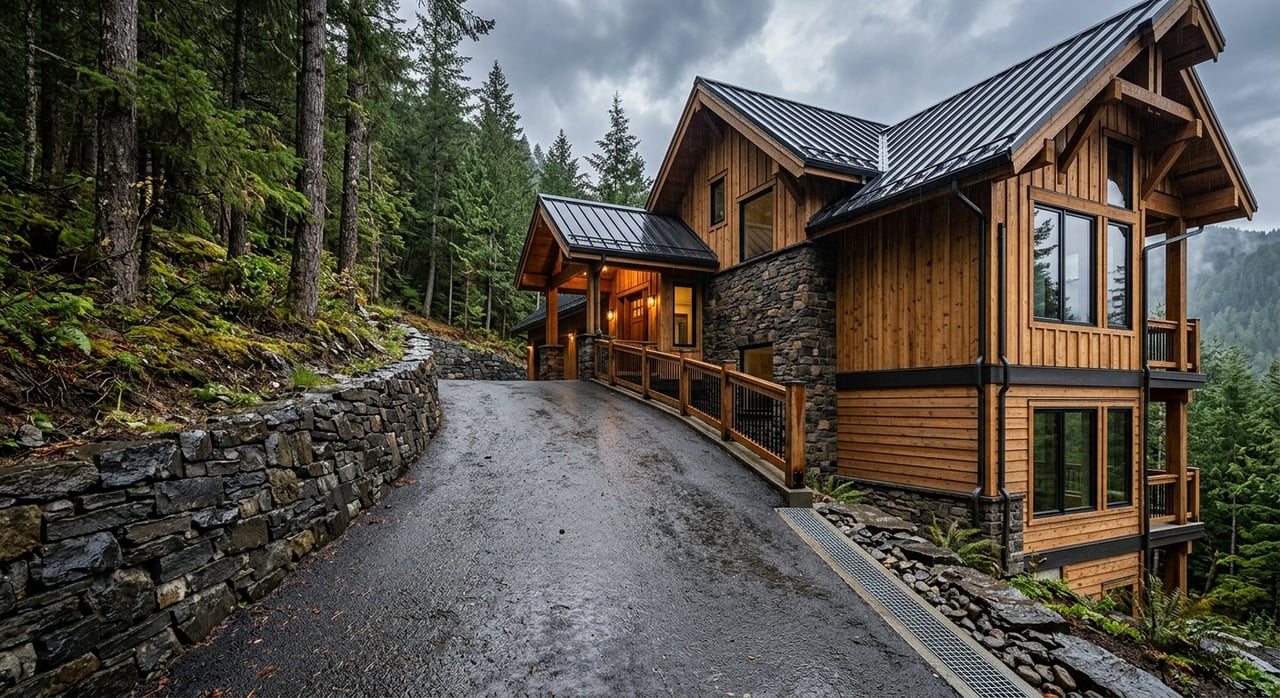
Buying a second home in Highlands or Cashiers can feel like a dream move, until the details start to matter. A property that looks perfect in listing photos may come with private-road access, utility limits, winter weather concerns, or rental rules that change how you can use it. If you want a mountain getaway that works well for your lifestyle and budget, the key is knowing what to verify before you close. Let’s dive in.
Why parcel details matter most
In the Highlands-Cashiers market, the parcel often matters more than the postcard view. Two homes that seem similar online can have very different ownership realities depending on road access, utility setup, watershed restrictions, floodplain exposure, and zoning.
That is why broad assumptions can get expensive fast. As the Town of Highlands explains for residents, local ownership can involve town utility contracts, watershed-related rules, and winterization planning for seasonal residents. When you buy a second home here, you want answers tied to the exact property, not just the neighborhood name.
Mistake 1: Assuming access is simple
One of the biggest second-home buying mistakes in Highlands-Cashiers is treating access like an afterthought. Mountain roads, steep driveways, gates, and private-road maintenance can all affect day-to-day convenience and long-term ownership costs.
According to Macon County subdivision regulations, some subdivision roads are maintained by the HOA, and roads must meet standards related to grade, drainage, culverts, and emergency access. The same regulations note that if an access road does not meet minimum standards, limited emergency vehicle access must be flagged.
For you as a buyer, the question is not only whether you can get to the home on a sunny day. You also want to know whether service providers, guests, inspectors, and emergency responders can reliably reach the property year-round.
What to check about road access
Before you move forward, ask for clear answers on:
- Whether the road is public or private
- Who maintains the road and driveway
- Whether there is an HOA and what it covers
- How steep the driveway is
- Whether gates or road conditions affect deliveries and service calls
- Whether winter weather changes access
Winter conditions matter more than many out-of-area buyers expect. NCDOT winter weather guidance warns that black ice and post-storm driving can still be dangerous even when roads are being treated. Highlands also notes that its street crew removes snow and ice on Town streets, which does not mean private roads or driveways receive the same attention.
Mistake 2: Underestimating maintenance needs
A second home in the mountains can be wonderfully low-stress when it is well planned. It can also become frustrating if you assume it will function like a typical suburban property with one standard utility setup and minimal seasonal prep.
The Town of Highlands resident information page states that the Town provides electric, water, garbage, and some sewer service, and that new residents must sign a utility contract. It also notes that utilities are billed monthly and minimum charges apply year-round, even if you only use the home seasonally.
That means your ownership costs do not pause when you head back to your primary residence. It also means utility type should be confirmed early, especially if you are comparing homes inside and outside town service areas.
Verify well and septic details
If a property is on private well or septic, avoid relying only on past listing remarks. Macon County Environmental Health handles permitting, inspection, and approval for private wells and septic systems, and the county’s septic process requires site-specific information such as driveway access, building location, well and septic areas, and nearby surface waters.
Private systems can work very well, but you should verify age, condition, repair history, and any available inspection records. The EPA’s guidance on private wells also reinforces that well owners are responsible for water safety, which is why annual testing is a smart part of ongoing ownership.
Plan for seasonal care
If you will not occupy the home year-round, maintenance planning becomes even more important. Highlands advises seasonal residents who will be away for more than a few days in winter to consider professional winterization because older homes may not be adequately insulated and broken pipes can cause serious damage.
Septic maintenance should also stay on your radar. NCDHHS recommends septic inspections every three years and pumping every three to five years. If moisture issues ever arise, the EPA notes that mold depends on moisture and wet materials should be dried within 24 to 48 hours.
Mistake 3: Assuming any home can be rented short term
Many second-home buyers like having rental flexibility, even if rental income is not the main goal. In Highlands, that assumption needs to be tested carefully before you buy.
A 2025 Highlands Zoning Board of Adjustment decision states that the Town amended its UDO on September 15, 2022 to prohibit short-term rentals in the R-1 and R-2 districts. Existing short-term rentals could continue only as nonconforming uses if they predated that change.
That same decision also shows how quickly rental assumptions can break down. It explains that a nonconforming short-term rental could not be re-established after 12 consecutive months of discontinuance, and it references enforcement around occupancy limits, parking, trash, noise, and owner responsiveness.
Why rental assumptions can affect financing
Rental plans do not only affect your use of the property. They can also affect your loan structure.
Fannie Mae occupancy rules state that a second home must be occupied by the borrower for part of the year, be suitable for year-round occupancy, give the borrower exclusive control, and not be a rental property or timeshare arrangement. If rental income is part of the picture, you will want to confirm with your lender how the property should be classified.
Mistake 4: Overlooking financing realities
Second-home financing usually comes with tighter standards than financing for a primary residence. Buyers sometimes focus so heavily on the property search that they do not fully prepare for the cash needed to close.
Freddie Mac’s conforming mortgage guidelines show a 90% maximum loan-to-value ratio for a second home. That can affect your down payment strategy from the start.
You should also budget for closing costs, reserves, and ownership expenses after closing. The Consumer Financial Protection Bureau says closing costs commonly run about 2% to 5% of the purchase price, and Highlands utility minimums may continue all year whether or not you are in residence.
Build a more complete budget
A realistic second-home budget should include:
- Down payment
- Closing costs
- Loan reserves, if required
- Year-round utility minimums
- Road or HOA maintenance obligations
- Winterization and seasonal property checks
- Well, septic, or drainage-related upkeep
- Insurance premiums and possible flood coverage
Mistake 5: Ignoring lot-specific risk
In a mountain market, the land itself deserves as much attention as the house. Slope, drainage, watershed restrictions, and floodplain conditions can all shape how a property performs over time.
Highlands notes that much of the Town lies within a water-supply watershed, and local rules regulate impervious surface, stream and lake buffers, and land-disturbing activity. If you are thinking about adding onto the home, clearing land, or changing a driveway, those rules matter.
Flood risk should also be verified by exact parcel. FEMA explains that most homeowners insurance does not cover flooding, that flood insurance can be available outside high-risk zones, and that federally backed loans in Special Flood Hazard Areas require flood insurance. Highlands’ GIS resources include floodplain and watershed maps, which is why lot-level review is more useful than broad assumptions.
Pay attention to slope and drainage
Mountain terrain can introduce risks that are less common in flatter markets. FEMA also notes that disaster-related land movement can include landslides, mudslides, erosion, sinkholes, and washouts.
For buyers in Highlands-Cashiers, that makes drainage patterns, retaining areas, road cuts, and slope stability important inspection topics. If a home has a dramatic setting, the setting itself should be part of your due diligence.
A smarter second-home buying approach
The best way to avoid costly surprises is to slow down and verify the details tied to the specific property. In Highlands-Cashiers, that means checking access, utility type, winter exposure, rental restrictions, financing fit, and parcel-level risk before you fall in love with the view.
A strong buying strategy is not about being fearful. It is about being informed, so you can choose a home that fits how you actually plan to use it. When you have the right local guidance, you can enjoy the mountain lifestyle with more confidence and fewer surprises.
If you are planning a second-home purchase in the plateau, Collin Taylor - Main Site can help you evaluate properties with a local, detail-focused approach that fits the Highlands-Cashiers market.
FAQs
What are the biggest second-home buying mistakes in Highlands-Cashiers?
- The most common mistakes are assuming road access is simple, overlooking utility and maintenance needs, assuming short-term rentals are allowed everywhere, underestimating financing costs, and skipping parcel-level risk review.
How important is road access for a Highlands second home?
- Road access is a major due-diligence item because private roads, steep grades, winter weather, and maintenance responsibility can affect year-round use, service access, and emergency response.
Can you use any Highlands property as a short-term rental?
- No. Short-term rental rules depend on zoning and property history, and some districts in Highlands prohibit short-term rentals unless a qualifying nonconforming use already existed.
Do second homes in Highlands often have well and septic systems?
- Some do, especially depending on location, so you should verify system age, condition, permits, repair history, and ongoing maintenance needs before closing.
What extra costs should you expect with a Highlands-Cashiers second home?
- In addition to your down payment and closing costs, you should plan for year-round utility minimums, insurance, maintenance, winterization, road or HOA obligations, and possible well or septic upkeep.