Shopping for a mountain home in Sapphire or preparing to list yours? You’re not alone. Buyers here love views, fresh air, and low‑stress living, yet the terrain and four-season weather make some features far more valuable than others. In this guide, you’ll see exactly which features rise to the top in Sapphire, why they matter in the mountains, and how to evaluate or add them with confidence. Let’s dive in.
Why these features win in Sapphire
Sapphire and greater Transylvania County attract second‑home seekers, retirees, remote workers, and investors. Cooler summers, occasional winter snow or ice, and sloped, wooded lots all influence what works well. Many neighborhoods also have HOA covenants and architectural review boards, and most exterior additions or electrical upgrades require county permitting. With that context, the features below consistently resonate with Sapphire buyers and renters across price points.
Covered outdoor rooms
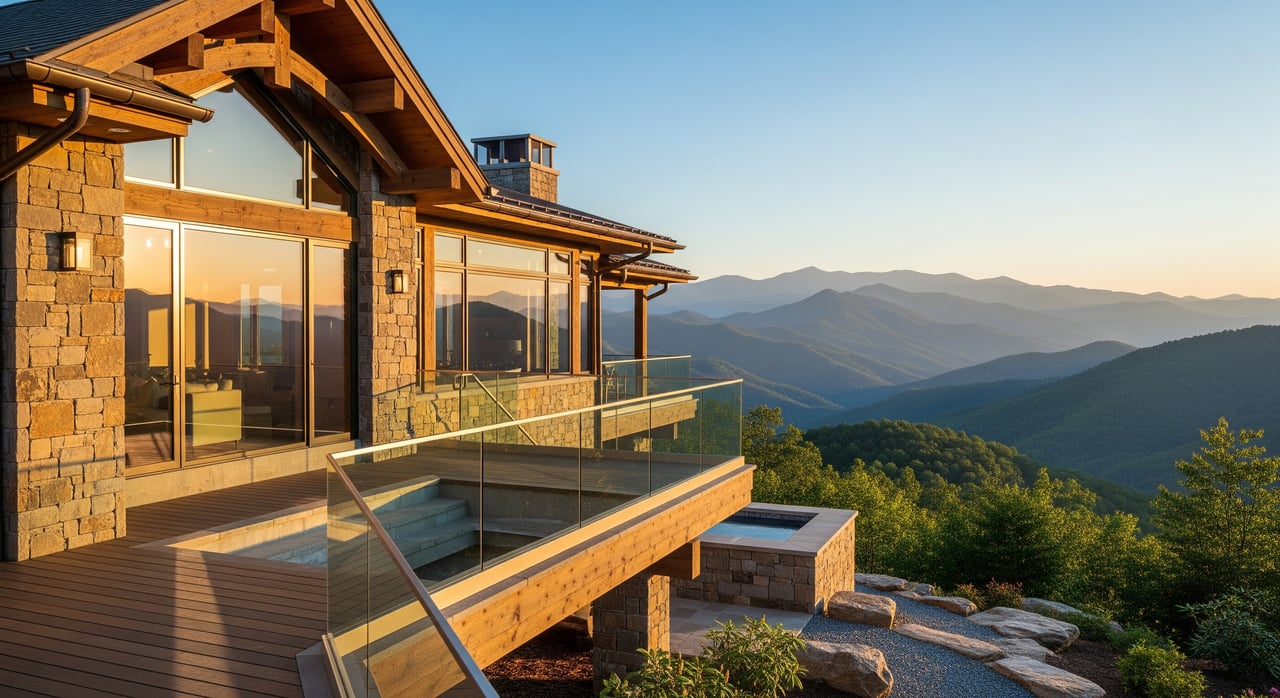
Mountain buyers want to enjoy views and breezes without worrying about sun, rain, or insects. Covered porches, screened rooms, and covered decks extend your daily living space and are a standout for second‑home and vacation use.
- Design tips: Orient for views while sheltering from prevailing winds. Use weather‑resilient materials and integrate insect screening. Stacked glass or roll‑up panels can stretch shoulder‑season use.
- Drainage matters: On sloped lots, make sure roof overhangs, gutters, and downspouts direct water away from foundations.
- Showing tips: Stage for multi‑season comfort with cozy seating, outdoor rugs, blankets, lighting, and a code‑compliant heater.
- Seller move: Converting part of an open deck to a covered or semi‑screened area is a moderate investment that shows well in our market. Confirm HOA and county permits before building.
Primary suite on main
A main‑level primary suite is a high‑value feature for retirees, long‑term owners, and anyone who prefers one‑level living. It makes day‑to‑day routines easier, especially on lots where stairs can be awkward.
- Layout guidance: Position the suite close to main living areas and near a covered outdoor space for easy access.
- Comfort and efficiency: Consider HVAC zoning so you can heat or cool the main level efficiently during seasonal or part‑time occupancy.
- Showing tips: Highlight closet capacity, bathroom accessibility, and proximity to laundry. If upstairs bedrooms exist, frame the home as flexible for guests or home office use.
- Seller move: Creating a main‑level primary can be a moderate to major project, but it appeals to a broad buyer pool here.
Mudroom entries
Mudrooms are not a luxury in the mountains. They are a daily convenience that keeps gear, pets, and muddy boots from taking over the house.
- Durable by design: Choose slip‑resistant flooring and add benches, cubbies, hooks, and ventilated lockers for drying gear.
- Smart placement: Connect the mudroom to the most‑used entry, often near the garage or main parking area, and keep it close to laundry.
- Moisture control: Good ventilation helps prevent mildew in cold or humid months.
- Showing tips: Stage with boot trays, labeled bins, and tidy storage to show the space is practical and easy to keep organized.
- Seller move: Adding built‑ins and replacing tired entry flooring are low‑ to moderate‑cost upgrades with strong perceived value.
EV‑ready parking
Electric vehicles are more common every year. Even buyers who do not own one enjoy the future‑proofing of an easy Level 2 charging setup.
- What “EV‑ready” means: A dedicated 240V circuit or conduit routed to parking makes a future charger straightforward.
- Mountain realities: Check panel capacity and the distance from the panel to the parking area. Long runs or uphill conduit can increase complexity. Cold weather also makes covered or garage parking attractive for battery protection.
- Permits and utilities: Electrical permits are required for charger installations, and utilities may need to be notified for load changes.
- Showing tips: If you have a charger or 240V outlet, point out the breaker size and amperage.
- Seller move: A new 240V outlet or reserved conduit is a relatively simple way to signal readiness. Full hardwired chargers depend on capacity and distance.
Low‑maintenance materials
Many Sapphire homes are used seasonally. Materials that stand up to moisture, UV, pests, and freeze‑thaw cycles reduce upkeep and help buyers feel confident about long‑term ownership.
- Exterior choices: Fiber‑cement or engineered wood siding and standing seam metal roofs perform well in mountain conditions.
- Decking and trim: Composite decking resists moisture and staining. Use rot‑resistant trim and avoid horizontal ledges that trap water.
- Water management: Proper grading, gutters, downspouts, and drains are essential on sloped lots.
- Showing tips: Call out composite decking, metal roofing, and any maintenance records for exterior systems.
- Seller move: Preventive care like gutter cleaning, deck resealing, and vegetation trimming is cost‑effective. Upgrading failing wood decks or siding to low‑maintenance alternatives can be a larger investment that many buyers value.
Flexible guest spaces
Sapphire properties host family gatherings, multi‑generational stays, workcations, and, where allowed, short‑term rentals. Flexibility keeps your home functional and marketable.
- Planning for versatility: Provide clear separation between private suites and shared spaces. If rentals are allowed, a separate entrance or lock‑off can add appeal.
- Safety and comfort: Ensure proper egress and storage in sleeping areas. Soundproofing between bedrooms and living spaces improves privacy for larger groups.
- Showing tips: Stage a dual‑purpose room, such as an office with a sleeper sofa or a murphy bed.
- Seller move: Minor changes like furniture and closet organizers are low cost and effective. A small kitchenette or a private entrance is a higher‑cost upgrade that can support rental potential where permitted.
Seller playbook: quick wins to smart upgrades
Use this list to prioritize based on your budget and your likely buyer.
Quick wins
- Declutter and stage covered outdoor rooms and the mudroom for multi‑season use.
- Refresh paint in light, neutral colors and update dated lighting.
- Add a 240V outlet or reserved space in the garage for future EV charging where feasible.
- Clean decks and railings. Fix gutters, downspouts, and any visible drainage issues.
- Improve the approach: clear the path from driveway to door and use a durable welcome mat.
Moderate investments
- Install mudroom built‑ins and durable flooring. If practical, move laundry closer to the main suite.
- Convert a portion of an open deck to a covered or screened space.
- Reconfigure adjacent areas to establish a main‑level primary suite.
- Replace worn decking with composite boards and address failing siding.
Higher‑cost choices
- Enclose or add space to expand covered outdoor living or create a new main‑level suite.
- Upgrade electrical service to support a hardwired Level 2 charger.
- Add enclosed or covered parking if the lot allows and buyer demand in your price band supports it.
Before you start
- Review HOA covenants and architectural guidelines for exterior changes or rental plans.
- Confirm county permitting requirements for additions, decks, and electrical work.
- Check local comparable listings. If your price point expects a screened porch, EV‑ready parking, or a main‑level suite, plan accordingly.
Buyer showing checklist in Sapphire
Ask these questions during tours to compare homes on a level field.
- EV readiness: Is there a dedicated 240V circuit or installed Level 2 charger? Where is the main panel, and how far is it from parking? What is the panel capacity?
- Heating and cooling: How many zones are there, and what systems are in place? Is the primary suite on its own zone?
- HOA and covenants: What do the rules say about exterior modifications, screened porches, and short‑term rentals?
- Water and septic: Is water from a well or municipal? Are there septic records and bedroom count limits for the system?
- Access in winter: How does the driveway perform with snow or ice, and who maintains it? Is there covered or garage parking?
- Exterior condition: What is the roof type and age? What are deck materials and maintenance history?
- Practical storage: Does the mudroom handle wet gear and pets? How do current owners manage drying and storage?
- Rental suitability: Are privacy features or separate entrances in place, and are rentals allowed by the community and county?
Common trade‑offs and how to think about them
- Main‑level suite vs. maximum sleeping count: Choose based on your primary use. Full‑time living favors convenience. Rental goals may prioritize more beds.
- Remote setting vs. utility convenience: Secluded homes may require more self‑sufficiency and can complicate EV charging and access.
- Big views vs. easy maintenance: Steeper, view‑oriented lots can bring more drainage, driveway, and deck upkeep.
- Immediate EV readiness vs. retrofit cost: Panel upgrades and long conduit runs add expense. A near‑panel garage often simplifies installation.
Ready to buy or sell in Sapphire?
If you want a home that works beautifully in the mountains, focus on covered outdoor living, a main‑level primary, a real mudroom, EV‑ready parking, durable materials, and flexible guest spaces. These features align with how people live and relax in Sapphire and often make the difference in both enjoyment and resale.
When you are ready, connect for local guidance on what to prioritize, how to stage, and which improvements pay off in your price range. Reach out to Collin Taylor - Main Site to Schedule Your Highlands Consultation.
FAQs
How much does it cost to make a Sapphire home EV‑ready?
- Costs vary widely based on panel capacity and the distance from the electrical panel to parking; a short run with spare capacity is modest, while a service upgrade or long conduit route increases expense.
Are covered outdoor rooms usable year‑round in Sapphire?
- With screening, wind protection, and safe heating, many owners enjoy these spaces most of the year; winter comfort depends on how enclosed and insulated the space is.
Should I add a main‑level primary suite before listing?
- It is a high‑demand feature for Sapphire buyers, especially retirees; decide based on your layout, renovation cost, and what comparable homes in your price band offer.
What maintenance should I handle before putting my mountain home on the market?
- Disclose known items like roof age, septic records, and drainage history, and complete highly visible tasks such as gutter cleaning, deck repairs, and HVAC service to reduce buyer objections.