Ever wondered what it feels like to wake up above 4,000 feet with cool mountain air and waterfall hikes minutes from your front door? If Highlands, North Carolina is on your radar, you’re not alone. Many buyers discover the town on vacation, then start picturing life here full time or as a seasonal escape. In this guide, you’ll learn how daily life really works on the Highlands plateau, from seasons and outdoor fun to services, housing, and practical checks before you buy. Let’s dive in.
Highlands at a glance
Setting and elevation
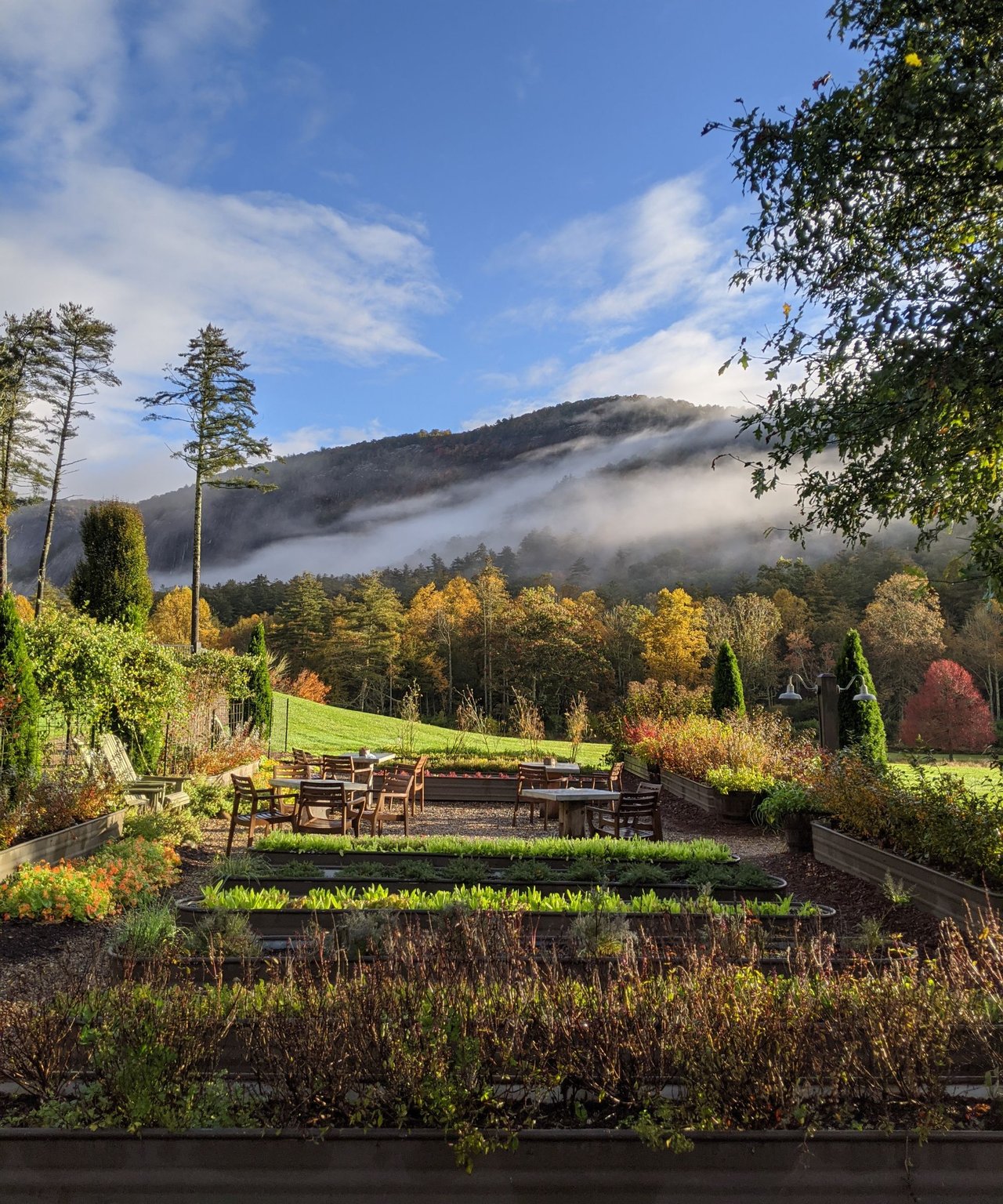
Highlands sits on a high plateau in the southern Blue Ridge Mountains of Macon County. The town is among the highest-elevation communities east of the Mississippi, on the order of 4,000 plus feet above sea level. That elevation delivers cooler temperatures, frequent fog, and dramatic views. You share the broader Highlands–Cashiers plateau with nearby Cashiers, which adds to your options for shopping, dining, and recreation.
Community rhythm
You’ll find a small year-round population that swells during peak seasons. Many homes are second residences or vacation rentals, and the local economy reflects that mix with tourism and service jobs. The people you meet often include retirees, second-home owners, hospitality workers, artists, and outdoor enthusiasts. Expect a friendly small-town feel with a seasonal buzz.
Getting here
Highlands is a mountain town, so you’ll drive winding roads and plan for variable conditions in winter weather. For flights, Asheville Regional Airport is a common choice, with Atlanta and Greenville-Spartanburg as major alternatives within a multi-hour drive. Most residents make regular trips to nearby towns for bigger shopping or specialty appointments. Once you settle in, the scenic drives become part of the lifestyle.
Daily life in town
Walkable downtown
Downtown Highlands is compact and easy to enjoy on foot. You can browse galleries, sip coffee, and choose from a range of restaurants within a few blocks. For larger errands and weekly groceries, most people still use a car. Parking can be tight during peak season and festivals, so plan ahead on busy weekends.
Dining and culture
You can keep it casual with cafes and bakeries or make reservations at seasonal farm-to-table spots. Wine lists and artisanal food are common. The arts scene is strong for a town this size, with galleries and public exhibitions. The Bascom offers rotating shows, classes, and events that draw both locals and visitors.
Groceries and services
You’ll find basic grocery and pharmacy options in town. For bigger supermarkets or big-box shopping, you’ll drive to Cashiers or Franklin. Municipal water and sewer serve the core of town, while many outlying properties rely on private wells and septic systems. Trash and utility services vary by whether you are inside town limits or in the county.
Internet and utilities
Broadband has improved, but speeds and providers still vary by neighborhood. Satellite can fill gaps on more remote parcels. If you work from home, confirm provider options and upload and download speeds before you write an offer. Winter road maintenance is part of town and county services, but heavy storms can slow response times.
Health care access
Basic clinics and urgent-care-level services are in the region. For specialized care, most residents plan on trips to Franklin or Asheville. If proximity to certain medical services is critical, check drive times from the properties you’re considering. Remote homes can have longer emergency response times.
Schools and family services
Highlands is served by Macon County schools, with options that reflect the scale of a small mountain community. Some families choose private school or homeschooling. Childcare and youth programs exist but are more limited than in large metro areas. Many parents tap into resources in neighboring towns for added options.
Outdoor lifestyle and seasons
Trails and waterfalls
Outdoor access is a highlight of Highlands. You can pick from short waterfall walks, ridge hikes with big views, scenic drives, fly-fishing, and cycling on road and gravel routes. Local nature organizations and the Highlands Biological Station offer interpretive programs and guided activities. It’s easy to build your week around time outside.
Summer through spring
Summer brings comfortable highs typically in the 60s to 70s Fahrenheit, which makes it peak season for visitors. Fall color usually peaks in October, and leaf season is a festive time across the plateau. Winters are colder than the lowlands and include periodic snow and ice, which can temporarily close roads. Spring arrives with wildflowers and rhododendron blooms, and shoulder seasons tend to be quieter if you prefer fewer crowds.
Events and cultural calendar
You’ll see a packed calendar from late spring through fall, with arts exhibitions, farmers markets, and music events. Restaurants and galleries often extend hours in the busy months. Winter slows down except for holiday markets and seasonal celebrations. If you like an ebb and flow, Highlands offers distinct seasons to match your pace.
Housing and real estate
Market snapshot
Highlands is a premium market influenced by retirees, second-home owners, and short-term rental investors. Inventory can be tight, and well-located or turnkey homes tend to draw strong interest. Prices and cost per square foot are often higher than North Carolina averages given the setting and limited building sites. Many buyers arrive from cities across the Southeast and beyond seeking cooler summers and mountain scenery.
Property types
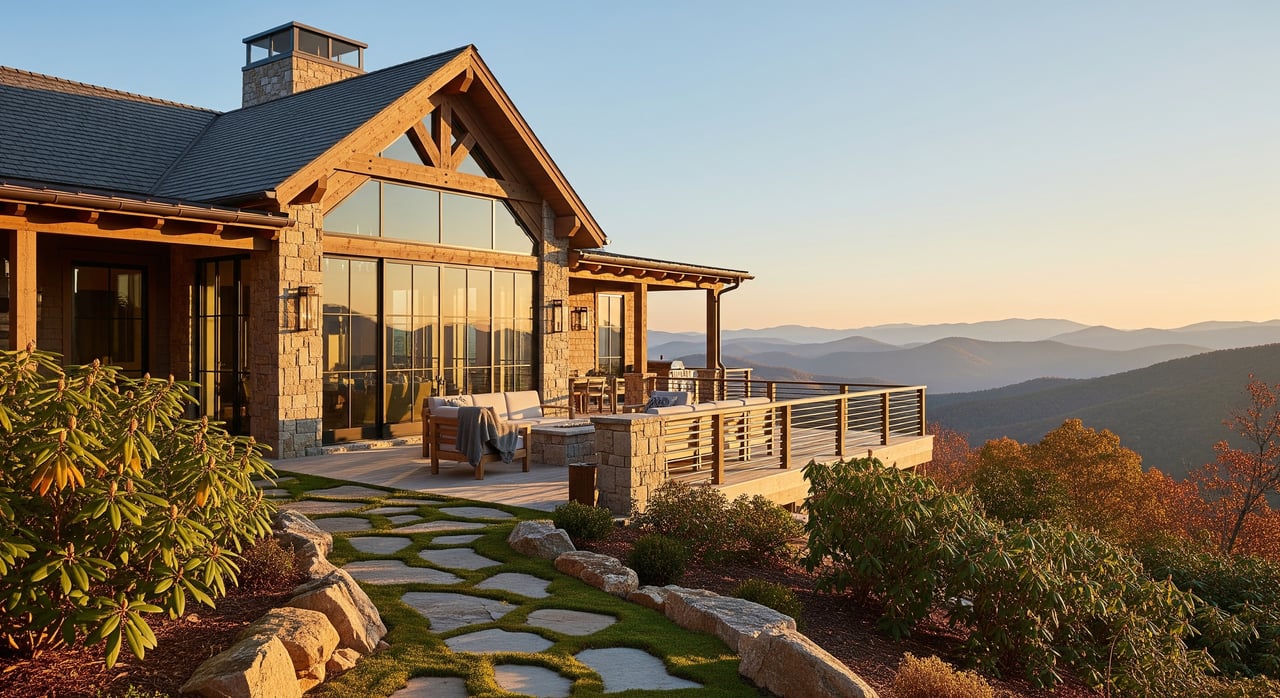
You’ll find downtown condos, historic cottages, single-family homes, luxury mountain estates, and wooded lots. Some properties sit within private or golf club communities that add amenities like tennis and golf. Vacant land is available, but the topography often shapes what you can build and how much it will cost to prepare a site.
Building on mountain lots
Steeper or rocky sites require specialized planning and construction. Grading, retaining walls, erosion control, and custom foundations can increase costs. Septic and well systems are common outside town utilities, so soil tests and site evaluations are essential. Always confirm access, road maintenance responsibility, and winter drivability for driveways and private roads.
Short-term rentals and rules
Short-term rentals are common in mountain markets, and rules can change. Before you buy with rental income expectations, verify the current ordinances, permits, and tax requirements for the Town of Highlands and Macon County. A local advisor can help you understand what is allowed on a specific parcel. Make this part of your due diligence.
Costs and maintenance
Mountain homes often carry higher utility, insurance, and maintenance costs than lowland areas. Plan for drainage management, winterizing plumbing, roof care, and tree maintenance. If you do not live here year-round, consider a property manager to coordinate upkeep and vendor access. These steps protect your investment and make seasonal living easy.
Is Highlands right for you?
- Full-time living works well if you value outdoor access, a small-town pace, and you are comfortable traveling for some services.
- Remote work is increasingly feasible where reliable broadband exists, but you must confirm provider and speed at the property level.
- Seasonal and second-home ownership is very common and well supported by local services and property managers.
- If you are sensitive to crowds, lean into shoulder seasons and winter for a quieter experience.
Practical checklist before you buy
- Confirm water and sewer: municipal service vs. private well and septic.
- Order soil percolation testing for septic and evaluate well feasibility.
- Assess slope, geotechnical conditions, and any conservation easements.
- Review FEMA flood maps and county hazard guidance for erosion or landslide risk.
- Verify road access, who maintains it, and winter snow-clearing plans.
- Check broadband availability, provider options, and tested speeds at the address.
- Confirm cell coverage if you rely on mobile networking for work.
- Understand current short-term rental rules, permits, and taxes for your parcel.
- Price insurance needs that reflect mountain risks and winter conditions.
- Map drive times to groceries, pharmacies, schools, and preferred medical providers.
A day in Highlands
A summer weekend
Start with coffee downtown, then head to a nearby waterfall trail for a shaded hike. Break for lunch at a cafe, browse a gallery show, and pick up produce at a farmers market. Cap the day with dinner at a seasonal restaurant. You’ll sleep well with the cooler night air.
A winter morning
Wake to crisp air and a quiet town. After breakfast, take a scenic drive to a sunny overlook, then settle into a cozy spot for lunch with friends. If a snow squall rolls in, you’re stocked with winter supplies and ready to enjoy the view. Later, plan next week’s hike once the trails clear.
Thinking about a move or a second home on the Highlands–Cashiers plateau? Let’s talk through neighborhoods, utilities, club options, and timing so you can buy with confidence. Schedule Your Highlands Consultation with Collin Taylor - Main Site.
FAQs
What is Highlands like year-round vs. tourist season?
- Expect a quieter pace in winter and shoulder seasons, then a lively summer and fall with more visitors, events, and busier downtown streets.
How cold and snowy are winters in Highlands, NC?
- Winters are colder than surrounding lowlands and include periodic snow and ice, which can temporarily impact mountain roads and travel plans.
Is Highlands walkable, or do I need a car?
- Downtown is walkable for dining and errands, but most residents use a car for groceries, services in nearby towns, and year-round convenience.
Are groceries, medical care, and schools adequate for families?
- Basic groceries, pharmacies, clinics, and local schools are available, with wider supermarket choices and specialized care in nearby towns.
How common are second homes and short-term rentals?
- Second homes are common, and short-term rentals exist, but you should verify current town and county rules before purchasing with rental plans.
What building challenges come with mountain lots?
- Steep slopes, rock, and forested terrain can raise costs for grading, foundations, erosion control, and septic systems, so thorough site evaluations are key.
How accessible is Highlands from major airports?
- The closest consistent hub for many is Asheville Regional, with Atlanta and Greenville-Spartanburg as alternative options that require multi-hour drives.